
Agricultural workers may face a higher risk of pesticide exposure than the general population, and decades of scientific research have focused on understanding the effects of that exposure on long-term health. Researchers may use a combination of environmental monitoring, biological testing, and structured health studies to track both exposure and outcomes over time. Learning how these studies work, what methods they rely on, and what they have found is important context for anyone concerned about possible occupational pesticide exposure.
Published on:
June 26, 2026
Category:
Health Resources
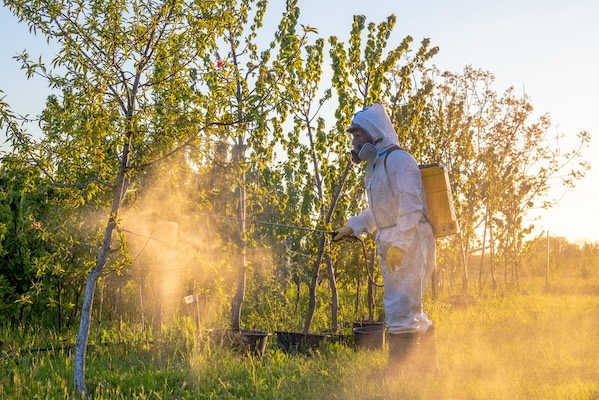
Pesticide exposure means coming into contact with chemicals used to control pests, weeds, or plant diseases. In agricultural settings, that contact can happen in more ways and more frequently than many people realize.
For an agricultural worker, exposure may occur while mixing or applying pesticides, harvesting treated crops, or handling equipment and clothing that carry chemical residue. Some exposure happens through inhalation, particularly during spraying. In other cases, pesticides are absorbed through the skin or transferred from contaminated surfaces.
Agricultural workers face higher exposure due to greater pesticide use in this sector and, in some cases, a lack of training and the adoption of safe handling practices. That elevated exposure burden is what makes ongoing health research so critical.
To understand long-term risks, researchers rely on structured occupational health studies that follow workers over time or compare groups with different levels of exposure. These studies are often conducted over years or even decades, and they use multiple approaches to capture both the type and degree of exposure a worker experiences.
More than 89,000 farmers and their spouses in Iowa and North Carolina have participated in the Agricultural Health Study, which follows participants for cancer incidence, mortality, end-stage renal disease, and other outcomes through periodic linkage with state cancer registries and the National Death Index. Some studies track workers prospectively, monitoring exposure and health outcomes as they unfold. Others look backward, comparing individuals with certain conditions to those without and examining differences in past exposure. Together, these approaches help researchers identify patterns even when cause-and-effect relationships are complex.
Measuring pesticide exposure requires combining several methods to build an accurate picture of how, when, and the amount of exposure occurs. No single approach is sufficient on its own.
Environmental monitoring is often an early step, involving measuring pesticide levels in the air around workers during application or testing soil and surfaces where chemicals are used. Biological testing adds another layer of insight. By analyzing blood or urine samples, researchers can detect pesticide metabolites, substances the body produces after processing chemicals, providing direct evidence that exposure has entered the body rather than simply existing in the surrounding environment.
Biomonitoring and environmental sampling involve direct measurements of pesticides, their metabolites, or other biomarkers, while questionnaires and interviews provide different types of exposure data, such as information on the presence, duration, or frequency of exposure.
Biomonitoring often complements more qualitative risk assessments based on data self-reported by workers through questionnaires and interviews, and combining these approaches yields more sensitive, specific, and precise exposure assessments with lower detection and quantification limits. Worker interviews capture details about job tasks, protective equipment use, and frequency of pesticide handling that environmental sampling alone cannot provide.
Researchers invest significant effort in tracking pesticide exposure due to the potential long-term health consequences. Pesticides have been associated with increased risks of cancers, Parkinson’s disease, and more.
What makes these risks particularly challenging is that they often develop slowly. Symptoms may not appear until years after exposure began, which is precisely why long-term prospective studies are so critical to identifying patterns that shorter-term research would miss.
Even with advanced tools, measuring pesticide exposure accurately is not straightforward. Agricultural environments are constantly changing, and no two workers have identical experiences. Weather conditions influence how pesticides spread through the air. Work practices vary widely from farm to farm and season to season, and protective measures such as gloves, masks, and washing routines play a significant role in determining actual exposure levels.
Recall reliability is another challenge. When researchers rely on surveys, they depend on workers accurately remembering details about past exposures, which may not always be precise. Scientists typically combine multiple methods rather than relying on a single source, with biomonitoring and environmental sampling providing direct measurements, while interviews and questionnaires provide contextual exposure data. An integrated approach gives researchers the most complete and reliable picture of what agricultural workers are actually exposed to and when.

For individuals who have worked in agriculture, learning the science of pesticide exposure is only part of the picture. To learn more, explore Injury Info information about pesticide exposure and health concerns.
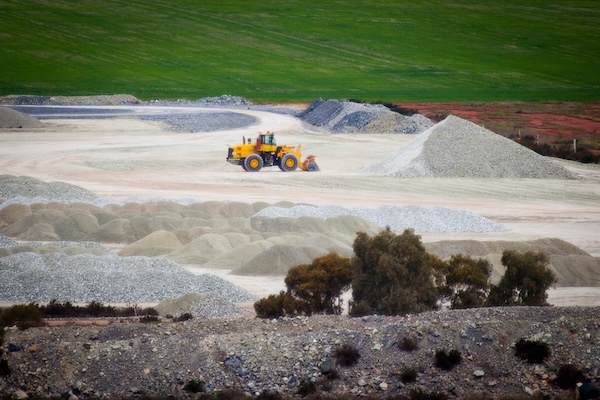
Talc and asbestos share geological origins, making contamination a risk during mining. Learn how deposits are evaluated and what tests are used.

Chronic inflammation is linked to many serious conditions. Learn how researchers study it, what biomarkers they measure, and what the science currently shows.

Occupational asbestos exposure differs from environmental and take-home exposure. Learn why researchers evaluate these pathways separately.
© 2026, Injury Info. All rights reserved.