
Severe gastrointestinal injuries are serious conditions that affect the digestive system and may interfere with the body's ability to move food, absorb nutrients, or eliminate waste. These injuries can affect the stomach, intestines, pancreas, gallbladder, and other digestive organs.
Many medications can cause mild gastrointestinal side effects such as nausea, vomiting, diarrhea, constipation, or stomach discomfort. Researchers have also studied reports of more serious gastrointestinal injuries in some individuals, including those involving GLP-1 medications such as Ozempic.
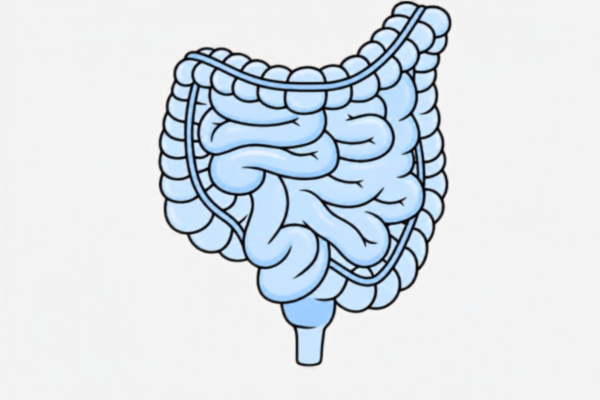
Symptoms vary depending on the specific condition and the organs involved. Some injuries develop gradually over time, while others may become medical emergencies requiring immediate treatment.
Common warning signs may include:
Certain symptoms may be associated with specific gastrointestinal conditions.
Gastroparesis occurs when the stomach empties more slowly than normal.
Common symptoms include:
Ileus and bowel obstruction interfere with the movement of food and waste through the intestines.
Common symptoms include:
Pancreatitis is inflammation of the pancreas and can range from mild to life-threatening.
Common symptoms include:
Gallbladder disease may include gallstones, inflammation, or obstruction of bile flow.
Common symptoms include:
Healthcare providers use a variety of tests to identify the cause of gastrointestinal symptoms and determine the severity of injury.
Diagnostic testing may include:
Different tests help identify different conditions. For example, gastric emptying studies may be used to diagnose gastroparesis, while CT scans and imaging studies may help identify bowel obstructions, perforations, or pancreatitis.
Blood Tests and Their Role in Detecting Serious Illness
When Test Results Are Inconclusive: What Happens Next
What Doctors May Monitor When Symptoms Don't Fit a Clear Diagnosis
Getting a Second Medical Opinion for a Serious Illness: Is It Necessary?
How to Get a Second Opinion for a Serious Illness (and What to Expect)
The severity of a gastrointestinal injury depends on the specific diagnosis, symptoms, complications, and treatment required.
Symptoms may be uncomfortable but can often be managed with medication, dietary changes, and close medical monitoring.
Symptoms are persistent or worsening and may require specialist care, advanced testing, hospitalization, or medication changes.
Serious complications may require hospitalization, surgery, feeding tubes, bowel resection, emergency intervention, or intensive medical care.
Potential severe complications may include:
Many people recover after treatment or after the underlying cause of injury is addressed. Others may experience chronic digestive symptoms that require ongoing medical management.
Long-term outcomes depend on the specific diagnosis, severity of injury, overall health, and whether complications developed before treatment began.
Potential physical effects may include:
Some individuals may require long-term dietary modifications, medications, or ongoing specialist care.
Digestive injuries can interfere with many aspects of daily life.
Potential limitations may include:
The degree of limitation varies depending on the severity and duration of symptoms.
Living with a severe gastrointestinal injury may affect physical health, emotional well-being, and everyday routines.
Common concerns may include:
Support groups, counseling services, nutrition specialists, and caregiver resources may help individuals and families navigate these challenges.
Recovery timelines vary significantly depending on the condition and the severity of injury.
Some individuals improve within weeks or months after treatment or discontinuing a contributing medication. Others may require long-term medical management, dietary modifications, or additional procedures.
Conditions involving bowel perforation, surgery, severe pancreatitis, or advanced bowel obstruction often require longer recovery periods.
Regular follow-up care may be necessary to monitor symptoms, nutritional status, digestive function, and overall health.
© 2026, Injury Info. All rights reserved.