
Ovarian cancer care often involves medical treatment, symptom management, caregiving support, and long-term financial planning. Patients and families may need help managing surgery, chemotherapy, side effects, digestive changes, follow-up appointments, transportation, insurance questions, and daily care needs.
Ovarian cancer treatment and care depend on the type and stage of cancer, the patient’s overall health, the treatments recommended, and how the body responds over time. Care may include surgery, chemotherapy, targeted therapy, immunotherapy, radiation in select cases, symptom management, rehabilitation, and long-term monitoring.
Some ovarian cancer symptoms and treatment side effects may require urgent medical attention. Patients should contact their healthcare team or seek immediate care for severe abdominal pain, persistent vomiting, signs of dehydration, fever, sudden swelling, chest pain, shortness of breath, uncontrolled bleeding, or symptoms that suddenly worsen.
Caregivers can help by tracking symptoms, medication changes, appetite, bowel changes, pain levels, and any new side effects so the care team has clear information during appointments or urgent visits.
Ovarian cancer treatment may include surgery to remove cancerous tissue, chemotherapy, targeted therapy, immunotherapy, hormone therapy, radiation therapy in select cases, clinical trials, or supportive care to manage symptoms and treatment side effects.
Treatment plans often change depending on how the cancer responds, whether recurrence occurs, and what side effects develop. Patients may work with gynecologic oncologists, surgeons, medical oncologists, nurses, palliative care providers, dietitians, and other specialists throughout care.
Rehabilitation and physical therapy may help ovarian cancer patients rebuild strength, improve mobility, manage fatigue, and return to daily routines after surgery or during treatment. Physical therapy may focus on gentle movement, balance, endurance, and safe activity levels.
Some patients may also benefit from occupational therapy, pelvic floor therapy, nutrition counseling, or support for treatment-related weakness, neuropathy, or reduced stamina.
Ongoing ovarian cancer care may include follow-up exams, imaging, blood tests such as CA-125 monitoring when recommended, symptom tracking, medication management, and support for treatment side effects. Digestive changes, nausea, constipation, appetite loss, fatigue, skin changes, sleep disruption, and emotional stress may also need ongoing attention.
Care needs may increase during active treatment, recurrence-related care, or recovery from surgery. Patients and caregivers should keep communication open with the healthcare team when symptoms interfere with nutrition, sleep, movement, or daily comfort.
Some patients explore complementary therapies alongside medical treatment to help manage stress, fatigue, nausea, pain, or emotional strain. These may include gentle yoga, breathing exercises, massage, meditation, acupuncture, nutrition support, counseling, or spiritual care.
Patients should speak with their healthcare team before starting supplements, new therapies, or major lifestyle changes to avoid interactions with cancer treatment or medications.
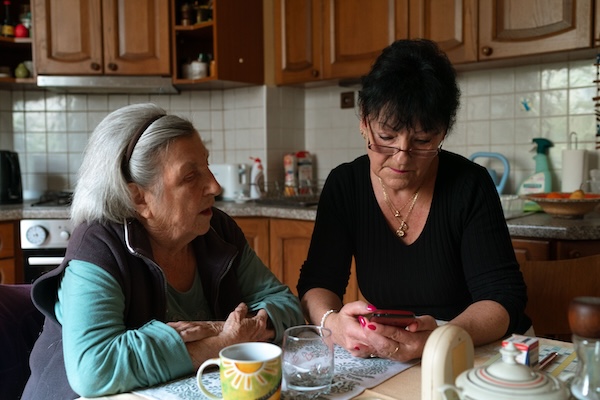
Ovarian cancer can affect the entire household. Caregivers may help with meals, medications, appointments, transportation, symptom tracking, personal care, household tasks, emotional support, paperwork, and communication with healthcare providers.
Caring for someone with ovarian cancer often involves both practical and emotional support. Family caregivers may help prepare small meals, encourage hydration, monitor side effects, track symptoms, organize medications, attend appointments, and help the patient pace daily activities.
Loved ones can help with errands, grocery shopping, cleaning, laundry, meal preparation, childcare, pet care, school pickups, or transportation to appointments. These tasks may feel small, but they can reduce stress and help the patient focus more energy on treatment, rest, and recovery.
Some patients may need professional support at home or in a care setting. Options may include home health aides, visiting nurses, physical therapists, occupational therapists, palliative care teams, nutrition support, assisted living services, or skilled nursing care.
Professional care may become more important when symptoms are difficult to manage, treatment side effects increase, or family caregivers need help with daily care responsibilities.
Assistive devices and adaptive equipment may help ovarian cancer patients conserve energy, reduce fall risks, and stay more comfortable at home. Depending on the patient’s needs, supports may include shower chairs, grab bars, mobility aids, medication organizers, adjustable beds, meal delivery tools, and reminder apps.
Simple home adjustments can also help. Families may move frequently used items within reach, create rest areas, reduce clutter, and prepare easy meals or snacks for days when appetite or energy is low.
Support groups and patient resources may help families manage the medical, emotional, and financial challenges of ovarian cancer. Many organizations offer education, peer support, treatment information, caregiver guidance, and help finding local services.
Hospital social workers, oncology navigators, dietitians, mental health providers, and financial counselors may also help families manage insurance questions, transportation, nutrition needs, emotional support, and long-term planning.
Some patients and families may also have questions about whether certain exposures, such as asbestos and talc, could be relevant to an ovarian cancer diagnosis.
Ovarian cancer can create financial strain through diagnosis, treatment, hospital care, prescriptions, follow-up monitoring, transportation, caregiving, reduced income, and long-term support needs. Costs vary depending on the patient’s treatment plan, insurance coverage, location, cancer stage, recurrence, and recovery needs.
Immediate medical costs may include diagnostic testing, imaging, biopsies, surgery, hospitalization, chemotherapy, targeted therapy, immunotherapy, radiation in select cases, lab work, prescriptions, pain management, and supportive care.
Patients may also face deductibles, copays, coinsurance, out-of-network charges, travel expenses, and costs related to second opinions or specialized cancer centers.
Long-term expenses may include follow-up imaging, blood testing, additional treatment cycles, medications, nutrition support, rehabilitation, palliative care, mental health support, and care related to recurrence or ongoing symptoms.
Families may also need to budget for home care, transportation, meal support, household help, mobility equipment, or respite care if treatment side effects affect independence.
Ovarian cancer may affect a patient’s ability to work because of surgery recovery, chemotherapy appointments, fatigue, pain, digestive symptoms, neuropathy, immune system concerns, or emotional stress. Some patients may reduce hours, take medical leave, change job duties, or stop working.
Caregivers may also lose income if they need to miss work, reduce hours, provide transportation, attend appointments, or help manage daily care at home.
Health insurance may cover many parts of ovarian cancer care, including diagnostic testing, surgery, chemotherapy, targeted therapy, immunotherapy, hospital care, prescriptions, and some rehabilitation services. Coverage still depends on the plan, network, deductible, copays, coinsurance, and preauthorization requirements.
Some costs may not be fully covered, including out-of-network specialists, travel, lodging, home care, long-term caregiving, supportive services, fertility-related care, or certain newer treatment options. Patients may benefit from speaking with a hospital financial counselor or insurance case manager early in the process.
Some patients and families may qualify for financial assistance through hospital charity care, nonprofit organizations, medication assistance programs, disability benefits, Medicare, Medicaid, state programs, or local support services.
A hospital social worker, oncology navigator, or patient advocate may help identify programs and organize applications. Patients and caregivers should keep records of medical bills, insurance documents, travel expenses, caregiving costs, household support costs, and lost income in case documentation is needed.
For those concerned about ovarian cancer and its possible association with various chemicals, occupational hazards, and consumer products, a legal consultation may help review eligibility, available documentation, filing deadlines, and possible legal options.
Those wishing to learn more may share their information with Legal Injury Advocates.
© 2026, Injury Info. All rights reserved.