
Mesothelioma is a rare cancer that develops in the mesothelium, the thin layer of tissue that lines certain organs in the body. The disease most commonly affects the lining of the lungs (pleural mesothelioma), but it can also develop in the lining of the abdomen, heart, or testes. The type of mesothelioma, where it develops, and how far it has progressed all influence symptoms, treatment options, and overall prognosis.
Mesothelioma has been associated with asbestos exposure. One of the unique characteristics of the disease is its long latency period. Symptoms often do not appear until 20 to 60 years after exposure, making diagnosis difficult and causing many individuals to overlook past occupational or environmental exposure history.
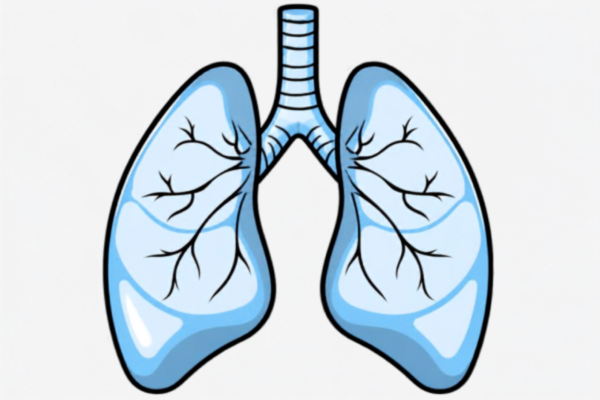
Mesothelioma symptoms often develop gradually and may resemble more common respiratory or digestive conditions.
Common mesothelioma symptoms may include:
Early Warning Signs of Pleural Mesotehelioma
Why Lung Cancer Symptoms Can Be Mistaken for Common Respiratory Conditions
Why Unexplained Weight Loss May Be a Warning Sign of Mesothelioma
How Fluid Around the Lungs Can Be a Warning Sign of Mesothelioma
How Symptoms Are Prioritized During Medical Evaluations and What Comorbidities Mean
Why Chronic Fatigue Is One of the Most Reported Symptoms Across Serious Illnesses
Mesothelioma diagnosis can be challenging because symptoms often mimic other conditions. The diagnostic process typically begins after persistent symptoms, abnormal imaging findings, or a history of asbestos exposure prompt further evaluation.
The primary types of mesothelioma include:
Determining both the type and stage of mesothelioma helps healthcare providers develop an individualized treatment plan.
Diagnostic testing may include:
A biopsy is generally required to confirm a mesothelioma diagnosis. Imaging studies can identify abnormalities, but tissue testing helps determine whether cancer is present and what type of mesothelioma has developed.
Providing a complete occupational, environmental, or secondary exposure history can help healthcare providers consider mesothelioma as part of the diagnostic process.
Why Asbestos Research Focuses on Exposure Latency
Cancer Latency Explained: Why Some Illnesses Take Years to Appear
Types of Mesothelioma Explained: Pleural, Peritoneal, and Beyond
Radiology Reports Explained: How to Understand the Terms Without Self-Diagnosing
Understanding Cancer Biopsies: Why They’re Critical in Cancer Diagnosis
How to Get a Second Opinion for a Serious Illness (and What to Expect)
Mesothelioma severity is generally classified according to the stage of disease progression. Staging helps physicians determine treatment options and estimate prognosis.
The cancer remains localized near its site of origin. Symptoms may be mild or absent, and treatment options may be broader when diagnosis occurs at this stage.
The cancer has begun spreading beyond the original tissue lining but remains relatively localized. Symptoms often become more noticeable and may include worsening breathing difficulties, chest discomfort, or fatigue.
Cancer has spread into nearby tissues, lymph nodes, or surrounding structures. Symptoms typically become more significant and may affect daily activities.
The disease has spread extensively to distant areas of the body. Treatment often focuses on symptom management, quality of life, and supportive care, although treatment plans vary by individual circumstances.
Mesothelioma stage is only one factor used to guide treatment decisions. Overall health, tumor location, cell type, and patient preferences also influence care recommendations.
Mesothelioma can affect multiple aspects of physical health and daily functioning. The impact varies based on disease type, stage, treatment approach, and overall health.
Mesothelioma may cause both direct symptoms from tumor growth and secondary complications resulting from fluid buildup, inflammation, or treatment.
Potential physical effects may include:
Many individuals require ongoing symptom management throughout treatment and recovery.
Mesothelioma symptoms may affect mobility, physical endurance, work capacity, and everyday activities.
Some individuals experience:
Supportive care, rehabilitation services, and symptom management strategies may help individuals maintain function and independence.
A mesothelioma diagnosis often creates physical, emotional, and practical challenges for both patients and caregivers.
Quality-of-life concerns may include:
Many individuals benefit from support groups, counseling services, patient advocacy organizations, and caregiver resources.
Living With Mesothelioma: Coping With Symptoms and Daily Challenges
Mesothelioma treatment plans vary based on disease type, stage, and individual health factors. Treatment may include surgery, chemotherapy, radiation therapy, immunotherapy, targeted therapies, or supportive care measures.
Recovery experiences differ significantly between patients. Some individuals respond well to treatment and maintain active lifestyles, while others require ongoing symptom management and supportive care.
Because mesothelioma is often diagnosed after symptoms have developed, ongoing monitoring and communication with healthcare providers remain important throughout treatment and survivorship.
© 2026, Injury Info. All rights reserved.