
Parkinson’s disease is a progressive neurological condition that affects movement, coordination, balance, and many aspects of daily functioning. Symptoms often begin gradually and may initially appear as subtle tremors, slowed movement, stiffness, sleep disruption, or changes in smell.
Researchers continue studying multiple possible contributors to Parkinson’s disease, including genetics, aging, and environmental exposures. Some studies have reported an association between Paraquat exposure and increased Parkinson’s disease risk.
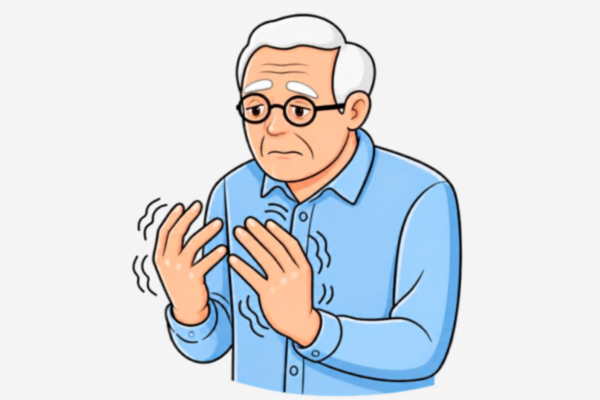
Parkinson’s disease develops when dopamine-producing nerve cells decline, affecting the brain’s ability to regulate smooth and coordinated movement. While tremors are one of the most recognized symptoms, Parkinson’s may also affect sleep, mood, swallowing, speech, and cognitive function.
Symptoms of Parkinson’s disease often develop slowly and may initially be mistaken for aging, stress, or unrelated health conditions. Some individuals first notice movement-related symptoms, while others experience non-motor symptoms years before diagnosis.
Early warning signs may include:
As symptoms progress, individuals may develop long-term symptoms that worsen over time, such as:
There is currently no single definitive test for Parkinson’s disease. Diagnosis is typically based on symptom history, neurological examination, movement assessment, and progression over time.
Neurologists commonly evaluate:
Because symptoms often progress gradually, some individuals experience symptoms for years before receiving a formal diagnosis.
Parkinson’s disease progression varies from person to person.
Parkinson’s disease may affect physical health, emotional well-being, communication, independence, and long-term quality of life. Progression can occur gradually over many years, though symptom severity and timeline vary widely between individuals.
Many people require a combination of medications, therapy, rehabilitation support, mobility assistance, and long-term caregiving as symptoms advance.
Parkinson’s disease may cause both motor and non-motor complications that affect everyday functioning.
Potential physical effects may include:
Long-term complications may include aspiration pneumonia, injury from falls, severe mobility impairment, and progressive physical dependence.
Parkinson’s disease may gradually interfere with mobility, coordination, communication, and independence.
Individuals may experience difficulty:
Some individuals also experience sensory or cognitive symptoms, including reduced sense of smell, slowed processing speed, memory changes, or sleep disruption.
Parkinson’s disease may affect emotional health, relationships, employment, communication, and social interaction. Many individuals experience anxiety, depression, frustration, fatigue, or emotional withdrawal as symptoms progress.
Reduced mobility, sleep disruption, communication difficulties, and changing routines may also contribute to caregiver stress and social isolation.
Support groups, rehabilitation programs, counseling, and caregiver support resources may help improve quality of life for both patients and families.
Parkinson’s disease is considered progressive, meaning symptoms often change gradually over time. While medications, therapy, and supportive care may help manage symptoms and maintain independence, there is currently no known cure.
Some individuals experience slow progression over many years, while others develop worsening mobility limitations, balance problems, swallowing difficulties, or cognitive symptoms more quickly.
Treatment plans often focus on:
Long-term planning may include caregiver support, home accessibility modifications, transportation assistance, and rehabilitation care.
© 2026, Injury Info. All rights reserved.