
Researchers have studied paraquat exposure extensively because of concerns about its potential long-term health effects, including reported associations with Parkinson’s disease. While not everyone exposed to paraquat develops health complications, understanding how exposure occurs, who may face elevated risk, and how exposure is documented may help individuals better understand possible health and legal concerns.
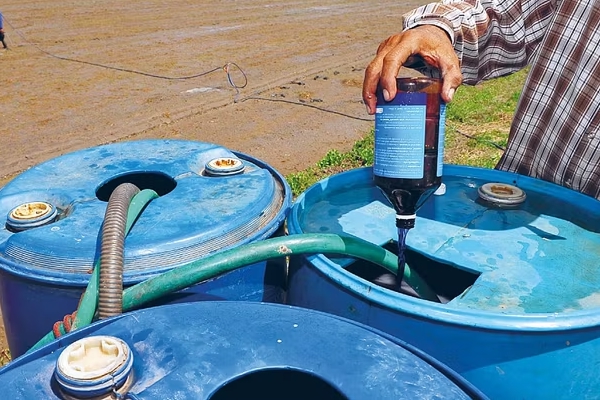
Paraquat exposure can occur in several occupational and environmental settings, particularly in agricultural environments where herbicides are mixed, handled, sprayed, or stored. Exposure levels may vary based on job duties, safety practices, duration of exposure, and whether protective equipment was consistently used.
Agricultural workers may encounter paraquat during pesticide mixing, loading, spraying, equipment cleaning, crop harvesting, or while working near treated fields. Exposure may occur through inhalation, skin contact, or accidental ingestion. Some workers face repeated exposure over many years, especially in farming operations where paraquat was routinely applied during planting or weed management activities.
Agricultural workers may encounter paraquat during pesticide mixing, loading, spraying, equipment cleaning, crop harvesting, or while working near treated fields. Exposure may occur through inhalation, skin contact, or accidental ingestion. Some workers face repeated exposure over many years, especially in farming operations where paraquat was routinely applied during planting or weed management activities.Research and occupational safety records have identified several workplace factors that may increase paraquat exposure risk. These may include inadequate protective equipment, improper chemical handling procedures, equipment leaks, chemical spills, poor worker training, or failure to follow restricted-entry safety requirements.
Agricultural workers may encounter paraquat during pesticide mixing, loading, spraying, equipment cleaning, crop harvesting, or while working near treated fields. Exposure may occur through inhalation, skin contact, or accidental ingestion. Some workers face repeated exposure over many years, especially in farming operations where paraquat was routinely applied during planting or weed management activities.Paraquat exposure is most commonly associated with agricultural work, but environmental exposure may also occur in communities located near treated farmland or pesticide application areas. Researchers studying occupational pesticide exposure often evaluate:
Long-term monitoring has become especially important because some health conditions associated with pesticide exposure may not develop until years after repeated exposure occurred.
Individuals who regularly handled paraquat or worked near agricultural spraying operations may face higher exposure risk than the general population. This may include:
Researchers continue studying whether long-term occupational exposure patterns may contribute to increased neurological risk in certain populations.
Researchers have spent decades studying pesticide exposure and possible links to neurological disease. Some scientific studies have reported associations between long-term paraquat exposure and increased Parkinson’s disease risk, though research continues regarding the strength and mechanisms of these associations.
Because Parkinson’s disease often develops gradually over many years, long-term occupational monitoring and exposure research remain important areas of scientific study.
Parkinson's Disease Signs and Symptoms
Researchers use environmental monitoring, biological testing, occupational health studies, and long-term population analysis to better understand pesticide exposure and neurological disease risk.
Some studies track agricultural workers over many years to evaluate whether repeated pesticide exposure is associated with higher rates of Parkinson’s disease and other chronic health conditions.
Researchers continue studying new methods for identifying neurological changes earlier and improving long-term symptom management for Parkinson’s disease.
Some emerging technologies focus on:
Universities, public health agencies, environmental researchers, and neurological research centers continue studying pesticide exposure and Parkinson’s disease risk.
Federal agencies and occupational safety organizations have established guidelines intended to reduce pesticide exposure risk among agricultural workers. Safety standards often focus on training, protective equipment, restricted-entry intervals, and safe handling procedures.
Federal safety standards require extensive protective equipment when handling paraquat and other highly toxic herbicides.
Protective equipment may include:
Protective equipment requirements may vary depending on whether an individual is mixing chemicals, spraying crops, cleaning equipment, or working near treated areas.
Researchers continue studying whether certain neurological symptoms may appear years before a formal Parkinson’s disease diagnosis.
Some early symptoms associated with Parkinson’s disease may include:
These symptoms may develop gradually over time and should always be evaluated by a qualified healthcare professional.
Paraquat use in the United States is regulated by the Environmental Protection Agency (EPA), which establishes rules regarding certification, handling, labeling, and worker protection standards.
Federal regulations also govern:
Occupational safety agencies also maintain recordkeeping and workplace exposure requirements for agricultural employers.
Agricultural safety standards are intended to reduce occupational pesticide exposure through training, monitoring, restricted-entry intervals, and protective equipment requirements.
Employers may be responsible for:
Individuals diagnosed with Parkinson’s disease after long-term paraquat exposure sometimes seek legal information regarding potential claims, occupational exposure history, and available documentation.
Individuals who experienced long-term paraquat exposure and were later diagnosed with Parkinson’s disease may explore whether they qualify for a paraquat-related legal claim.
Eligibility may depend on:
Potential paraquat claims may involve damages related to:
Available compensation varies based on the facts of each individual case.
The deadline for filing a paraquat lawsuit varies by state and may depend on factors such as diagnosis date, exposure history, and applicable statutes of limitation.
Exposure documentation may include:
Long-term agricultural exposure cases can sometimes involve incomplete records because pesticide monitoring practices varied significantly across employers and time periods.
Individuals considering a paraquat-related legal claim may wish to speak with attorneys experienced in occupational exposure litigation, product liability claims, and Parkinson’s disease cases.
A legal consultation may help individuals better understand:
Those wishing to explore their legal options may share information with Legal Injury Advocates.
Paraquat litigation continues to evolve as courts address scientific evidence, occupational exposure history, and product liability allegations involving paraquat exposure and Parkinson’s disease.
© 2026, Injury Info. All rights reserved.