
Non-Hodgkin lymphoma (NHL) is a group of cancers that begin in the lymphatic system, which is part of the body's immune system. The lymphatic system includes lymph nodes, lymph vessels, the spleen, bone marrow, and other tissues that help fight infection and remove waste from the body. NHL develops when lymphocytes, a type of white blood cell, begin growing and multiplying abnormally. Some forms of NHL progress slowly over many years, while others are more aggressive and require prompt treatment.
Researchers have studied several potential environmental and occupational exposures that may be associated with an increased risk of non-Hodgkin lymphoma. One of the most widely discussed is glyphosate exposure.
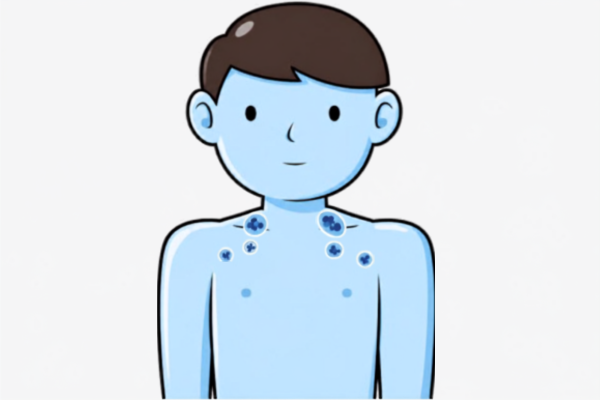
Symptoms of non-Hodgkin lymphoma can vary depending on the subtype, where the cancer develops, and how quickly it grows. Some people experience noticeable symptoms early, while others may not develop symptoms until the disease has progressed.
Common symptoms may include:
Many of these symptoms can also occur with infections, autoimmune disorders, or other cancers, which can sometimes delay diagnosis. Healthcare providers often look for symptom patterns, persistence, and combinations of symptoms rather than a single symptom alone. The combination of fever, night sweats, and significant weight loss is sometimes referred to as "B symptoms" and may help physicians assess disease severity.
Why Some Cancers Are Diagnosed Late Despite Regular Doctor Visits
Why Chronic Fatigue Is One of the Most Reported Symptoms Across Serious Illnesses
Diagnosing non-Hodgkin lymphoma typically requires several steps because symptoms often overlap with other medical conditions.
Diagnostic testing may include:
A biopsy is generally required to confirm a diagnosis of NHL. Blood tests can help evaluate overall health, detect complications, and monitor treatment response, but they cannot diagnose lymphoma on their own.
Healthcare providers also work to determine the specific type of NHL because treatment recommendations often depend on the subtype.
The two primary categories of NHL include:
Common NHL subtypes include diffuse large B-cell lymphoma (DLBCL), follicular lymphoma, mantle cell lymphoma, Burkitt lymphoma, marginal zone lymphoma, and various T-cell lymphomas.
Understanding Cancer Biopsies: Why They’re Critical in Cancer Diagnosis
Why Rare Diseases Can Be Harder to Diagnose
How to Get a Second Opinion for a Serious Illness (and What to Expect)
Non-Hodgkin lymphoma is typically classified by both stage and growth behavior.
Indolent lymphomas often grow slowly and may cause few symptoms for extended periods. Some individuals are monitored through active surveillance before treatment becomes necessary.
Aggressive lymphomas grow more rapidly and often require prompt treatment. Despite their faster growth, many aggressive NHL subtypes respond well to treatment.
Cancer is limited to one or a few nearby lymph node regions and may be more localized.
Cancer has spread to lymph nodes on both sides of the diaphragm, bone marrow, or other organs outside the lymphatic system.
Healthcare providers may also consider factors such as age, symptoms, blood test results, and organ involvement when evaluating prognosis and treatment options.
The impact of non-Hodgkin lymphoma varies significantly based on subtype, stage, treatment response, and overall health. Many people achieve remission and live for years after treatment, while others may require ongoing therapy or monitoring. Survival rates and long-term outcomes vary widely among NHL subtypes.
Both NHL and its treatments may cause physical effects that include:
Many treatment approaches, including chemotherapy, immunotherapy, radiation, and targeted therapies, may temporarily weaken the immune system and increase susceptibility to infections.
Symptoms and treatment side effects may affect daily activities and physical functioning.
Potential limitations may include:
The degree of limitation often depends on the intensity of treatment and the specific subtype of NHL.
A diagnosis of non-Hodgkin lymphoma may affect physical, emotional, and social well-being.
Common concerns may include:
Many individuals benefit from support groups, survivorship programs, counseling services, and caregiver support resources throughout treatment and recovery.
Recovery experiences vary based on the NHL subtype, stage, treatment plan, and overall health of the individual.
Some people return to normal activities within weeks or months after treatment, while others experience lingering fatigue, neuropathy, or immune system changes that require ongoing management. Follow-up appointments often include physical examinations, blood tests, imaging studies, and monitoring for recurrence.
Many individuals continue routine monitoring for years after treatment because recurrence can occur months or even years after remission. Advances in treatment have improved outcomes for many patients, and long-term survivorship is increasingly common.
© 2026, Injury Info. All rights reserved.