
Testicular cancer develops when abnormal cells grow uncontrollably within one or both testicles. While testicular cancer is relatively rare, it is the most commonly diagnosed cancer among young adult men. Testicular cancer is often highly treatable, particularly when diagnosed early. Learning to recognize potential symptoms and seeking prompt medical evaluation can help individuals receive appropriate care as early as possible.
Researchers continue to study potential risk factors associated with testicular cancer, including certain environmental and chemical exposures. Some studies have examined possible links involving PFAS chemicals, sometimes referred to as "forever chemicals."
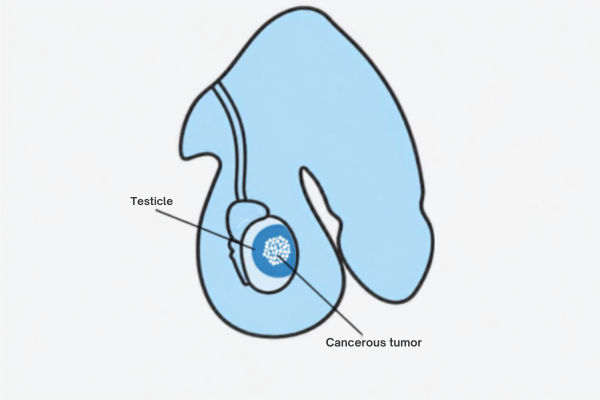
The most common early sign of testicular cancer is a painless lump or swelling. Some individuals first notice subtle changes in testicle size, shape, firmness, or a feeling of heaviness before other symptoms appear. However, testicular cancer symptoms can vary from person to person. Some individuals experience noticeable changes early, while others discover abnormalities during a routine examination or evaluation for unrelated concerns.
Common symptoms may include:
Many of these symptoms can also occur with non-cancerous conditions such as infections, hydroceles, varicoceles, orchitis, or epididymitis. Because symptoms overlap with other male health conditions, any persistent lump, swelling, or change should be evaluated by a healthcare provider.
Diagnosing testicular cancer typically begins with a physical examination after a patient notices a lump, swelling, pain, or another concerning change.
Common diagnostic tests may include:
Doctors also work to determine the specific type of testicular cancer. The two primary categories are:
If imaging and laboratory testing suggest cancer, a radical inguinal orchiectomy is often performed to confirm the diagnosis and determine the exact tumor type. Information gathered from imaging, pathology, and tumor marker testing helps physicians determine the cancer stage and develop an appropriate treatment plan.
Blood Tests and Their Role in Detecting Serious Illness
The Role of Biomarkers in Detecting Cancer Early
Radiology Reports Explained: How to Understand the Terms Without Self-Diagnosing
Testicular cancer severity is generally classified according to how far the disease has spread.
Abnormal cells are present within the testicle, but have not become invasive cancer. These cells may develop into cancer over time and require monitoring or treatment.
Cancer is confined to the testicle and has not spread to nearby lymph nodes or distant organs. Many individuals diagnosed at this stage have excellent treatment outcomes.
Cancer has spread to nearby lymph nodes in the abdomen but has not spread to distant organs. Treatment may involve surgery, chemotherapy, radiation therapy, or a combination of approaches, depending on the tumor type.
Cancer has spread beyond the abdominal lymph nodes to distant areas of the body, such as the lungs, liver, or brain, or tumor marker levels indicate more advanced disease.
In addition to traditional staging, physicians may use tumor marker levels and pathology findings to further classify disease severity and guide treatment decisions.
Many people diagnosed with testicular cancer go on to live long, healthy lives following treatment. Outcomes vary based on tumor type, stage, treatment response, and overall health.
Testicular cancer and its treatment may cause different physical effects that may include:
An orchiectomy, which involves removal of one or both testicles, is a common part of treatment. Many individuals recover well after surgery, although physical recovery experiences vary.
Some individuals experience temporary or long-term limitations during treatment and recovery.
Potential functional impacts may include:
The degree of limitation depends on the stage of disease, treatment plan, and overall health of the individual.
A testicular cancer diagnosis may affect many aspects of life beyond physical health.
Common concerns may include:
Many survivors report that emotional recovery continues long after physical treatment ends. Support groups, counseling, survivorship programs, and peer networks can help individuals navigate these challenges.
Recovery timelines vary depending on the stage of disease and treatments received.
Many individuals recover relatively quickly after orchiectomy surgery and gradually return to normal activities within weeks. Those receiving chemotherapy, radiation, or additional procedures may experience longer recovery periods.
Follow-up care often includes ongoing imaging, tumor marker testing, and routine medical monitoring. Emotional adjustment may continue well beyond physical recovery, and many survivors benefit from long-term support resources.
© 2026, Injury Info. All rights reserved.