
Talc exposure refers to contact with products or environments containing talc, a naturally occurring mineral used for decades in personal care products, cosmetics, pharmaceuticals, and industrial applications. Researchers have studied talc exposure for two primary reasons: some talc deposits may naturally occur alongside asbestos, creating the potential for contamination if not properly identified and processed, and long-term use of certain cosmetic talc products has been investigated for possible associations with mesothelioma, ovarian cancer, and other gynecologic cancers.
Learn more about serious illnesses that have been studied in connection with talc exposure:
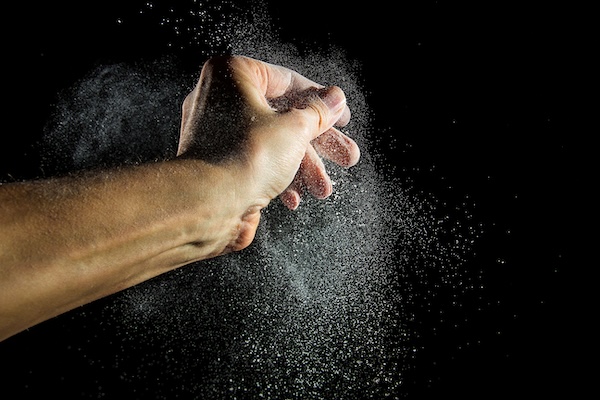
Talc exposure can occur through consumer products, occupational settings, or environmental contact, although the amount and type of exposure varies widely. Researchers evaluate factors such as the source of the talc, duration of exposure, frequency of use, and whether asbestos contamination may have been present when studying potential health effects.
Talc has been used in baby powders, body powders, makeup, and other personal care products because it absorbs moisture, reduces friction, and creates a smooth texture. Many products continue to use talc today, but some have transitioned to alternative ingredients such as cornstarch.
Talc and asbestos can occur naturally in neighboring rock formations, making careful sourcing, mining, and testing important to help reduce the risk of contamination.
There is no uniform federal testing standard for asbestos in cosmetic talc products, so questions remain about whether certain products are adequately tested, how results are documented, and whether consumers are given clear information about potential contamination risks.
People working in talc mining, milling, manufacturing, or processing may experience substantially higher exposure than consumers using cosmetic products. Occupational health research evaluates cumulative airborne dust exposure over many years and distinguishes these workplace settings from lower-level consumer use because the duration, concentration, and route of exposure are fundamentally different.
Whether an individual develops a health condition depends on many factors beyond talc exposure alone. Researchers continue studying how exposure duration, frequency of use, age, genetics, hormone history, occupational exposures, and other personal risk factors may influence health outcomes.
Research on talc exposure has developed over several decades and includes occupational studies, consumer product studies, epidemiological research, laboratory analysis, and health agency reviews.
Recent talc research has focused on two major questions: whether some talc products may contain asbestos and whether long-term perineal use of talc-based powders may be associated with ovarian cancer or related gynecologic cancers. Studies have used case-control research, cohort studies, meta-analyses, product testing, and tissue analysis, but results can vary depending on how exposure is defined and measured. Researchers continue to evaluate the full body of evidence rather than relying on any single study.
Talc exposure studies often rely on self-reported product use because consumer talc use is not usually documented in medical or purchase records. That makes duration, frequency, body area of use, and product type difficult to confirm years later. Occupational studies may have stronger exposure records through air monitoring or industrial hygiene data, but those findings cannot be applied directly to consumer cosmetic use because the exposure levels and routes are different.
There is no treatment for asbestos-contaminated talc exposure itself, but medical research continues to advance for conditions studied in connection with contaminated talc, including ovarian cancer, peritoneal cancer, and mesothelioma. Newer areas of research include earlier detection, improved imaging, molecular testing, targeted therapies, immunotherapy, and personalized treatment planning. Treatment options depend on the specific diagnosis, stage, overall health, and care team recommendations.
Clinical trials related to ovarian cancer, peritoneal cancer, and mesothelioma may explore new diagnostic tools, targeted therapies, immunotherapy, surgery, chemotherapy combinations, and quality-of-life support. Individuals interested in clinical trials can search resources from major cancer centers, the National Cancer Institute, and ClinicalTrials.gov. Patients should discuss trial participation with their healthcare team to determine whether a study may fit their diagnosis, treatment history, and health needs.
Understanding how talc products are sourced, tested, and regulated can help consumers make informed decisions about product use. Researchers and regulatory agencies continue evaluating product safety, while manufacturers, healthcare providers, and consumers each play a role in reducing potential exposure risks.
There is currently no single federal testing standard for asbestos in cosmetic talc products, so consumers cannot determine from a product label alone whether a talc-containing product has been tested for asbestos or which testing methods were used. Consumers who wish to limit talc exposure can review product ingredient labels, look for products labeled "talc-free," and discuss any concerns with their healthcare provider.
Talc exposure itself does not cause symptoms, but some health conditions that have been studied in connection with contaminated talc exposure may produce symptoms that should be evaluated by a healthcare provider. Depending on the condition, these may include persistent abdominal or pelvic pain, bloating, changes in bowel or bladder habits, unexplained weight loss, shortness of breath, persistent chest pain, or ongoing fatigue. Early evaluation can help identify the cause of these symptoms and determine whether additional testing is needed.
How Ovarian Cancer Symptoms Compare to Digestive Disorders
Early Warning Signs of Pleural Mesothelioma
Talc products continue to be reviewed by health and regulatory agencies as scientific evidence evolves. Different agencies evaluate talc for different purposes, including hazard identification, consumer product safety, and product regulation.
Key regulatory developments include:
Talc product safety depends on responsible sourcing, manufacturing, and quality control throughout the supply chain. Researchers and regulators continue evaluating mining practices, laboratory testing methods, and product oversight to better understand how asbestos contamination may occur and how it can be detected. Product safety is an active area of scientific and regulatory review.
Individuals diagnosed with ovarian cancer, mesothelioma, or certain other conditions after long-term talc exposure may wish to better understand their legal options. Whether someone may have a legal claim depends on many factors, including the type of product used, exposure history, medical diagnosis, available evidence, and the laws of the state where a claim is filed.
Every talc claim is evaluated on its own facts. Attorneys reviewing these cases generally consider the individual's diagnosis, history of talc product use or occupational exposure, medical records, pathology findings, and other evidence that may help establish when and how exposure occurred.
How Asbestos Exposure Is Assessed Decades After Initial Contact
Depending on the circumstances, individuals pursuing a talc-related claim may seek compensation for medical expenses, future medical care, lost wages, reduced earning capacity, pain and suffering, caregiving costs, and, in some cases, wrongful death damages. The compensation available in any case depends on the specific facts, applicable law, and supporting evidence.
The deadline for filing a talc-related claim varies by state and may depend on when a diagnosis was made or when an individual reasonably became aware of a potential connection between their illness and prior exposure.
Helpful records may include medical records, pathology reports, imaging studies, pharmacy or purchase records when available, employment history for occupational exposure, and information about the talc-containing products used, including brand names, approximate dates of use, and photographs or remaining product containers if available.
Talc litigation has involved tens of thousands of lawsuits alleging that long-term use of certain talc-containing products contributed to ovarian cancer, mesothelioma, or other serious illnesses. Johnson & Johnson is the most prominent defendant, and federal talc cases have been consolidated in multidistrict litigation in the U.S. District Court for the District of New Jersey. Lawsuits have also named other manufacturers, suppliers, and cosmetic companies connected to talc-containing products.
These cases have involved allegations related to asbestos contamination, product testing, consumer warnings, and manufacturer disclosures. Some talc cases have resulted in large verdicts, settlements, or proposed settlement plans totaling billions of dollars, while others have resulted in defense verdicts, mistrials, appeals, or confidential resolutions.
Learn more about living with serious illnesses potentially associated with talc exposure:
© 2026, Injury Info. All rights reserved.