
Kidney cancer develops when abnormal cells in one or both kidneys begin growing uncontrollably and form a tumor. The most common form of kidney cancer is renal cell carcinoma (RCC), which begins in the kidney's filtering tubules. Less common forms include transitional cell carcinoma and certain rare hereditary kidney cancers. Kidney cancer may remain unnoticed for long periods because the kidneys are located deep within the body, and early tumors often cause few, if any, symptoms.
When discovered early, kidney cancer is often highly treatable. Researchers continue to study factors that may contribute to kidney cancer development, including smoking, obesity, high blood pressure, certain hereditary conditions, and some environmental or occupational chemical exposures.
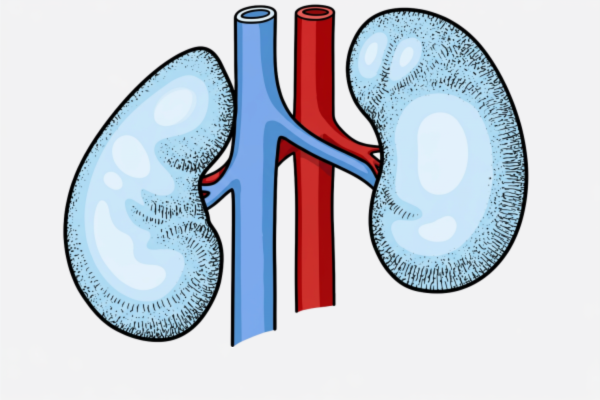
Kidney cancer is frequently called a "silent" cancer because many people experience no symptoms during the earliest stages of the disease. In fact, a significant percentage of kidney tumors are discovered incidentally during imaging tests performed for unrelated medical concerns.
When symptoms do occur, they may develop gradually and can resemble other, less serious conditions.
Common warning signs may include:
Because kidney cancer symptoms often develop slowly, many individuals do not seek medical attention until tumors become larger or begin affecting surrounding structures. Some people first learn they have kidney cancer after imaging performed for back pain, abdominal discomfort, kidney stones, or unrelated health concerns reveals an unexpected mass.
Why Some Cancers Are Diagnosed Late Despite Regular Doctor Visits
How Symptoms Are Prioritized During Medical Evaluations and What Comorbidities Mean
Why Chronic Fatigue Is One of the Most Reported Symptoms Across Serious Illnesses
Many kidney cancers are diagnosed after imaging identifies a suspicious mass. Unlike several other cancers, imaging studies often provide enough information for physicians to strongly suspect kidney cancer before surgery or biopsy.
Common diagnostic tools include:
Imaging plays a particularly important role in kidney cancer diagnosis. CT scans and MRI studies help determine tumor size, location, whether nearby blood vessels are involved, and whether cancer has spread beyond the kidney. Ultrasound may be used initially to distinguish between solid masses and fluid-filled cysts.
Following diagnosis, additional testing helps determine the stage of disease and guides treatment planning.
Blood Tests and Their Role in Detecting Serious Illness
Understanding Cancer Biopsies: Why They’re Critical in Cancer Diagnosis
Kidney cancer severity is generally classified according to stage, which describes how large the tumor is and whether it has spread beyond the kidney.
The tumor measures 7 centimeters or less and remains confined to the kidney. Many Stage 1 cancers can be successfully treated with surgery alone.
The tumor is larger than 7 centimeters but remains contained within the kidney. Surgery is often the primary treatment.
Cancer has spread into nearby veins, tissues, or regional lymph nodes but has not spread to distant organs. Treatment may involve surgery combined with targeted therapy or immunotherapy.
Cancer has spread beyond the kidney to distant areas such as the lungs, liver, bones, or brain. Treatment often focuses on controlling disease progression and maintaining quality of life through targeted therapies, immunotherapy, surgery, radiation, or a combination of approaches.
Doctors may also evaluate tumor grade, lymph node involvement, metastatic spread, and overall kidney function when determining disease severity and treatment recommendations.
Many people diagnosed with kidney cancer successfully complete treatment and continue to live active lives. Outcomes depend on factors such as stage at diagnosis, tumor characteristics, kidney function, overall health, and treatment response.
Kidney cancer and its treatments may create the following physical effects:
Individuals who undergo partial or complete nephrectomy may need ongoing monitoring of kidney function. Treatments such as immunotherapy and targeted therapy can also affect appetite, energy levels, and hydration status.
Kidney cancer can affect a person's ability to perform daily activities, particularly during treatment and recovery.
Potential limitations may include:
For some individuals, fatigue becomes one of the most disruptive symptoms associated with treatment and recovery. Cancer-related fatigue often differs from normal tiredness and may persist despite rest.
In addition to physical concerns, many individuals with a kidney cancer diagnosis also experience:
Managing kidney cancer often requires balancing medical treatment with emotional, practical, and financial challenges. Support groups, patient navigators, caregivers, and mental health professionals may help individuals navigate these adjustments.
Recovery varies significantly depending on the stage of disease, treatment approach, and overall health of the individual.
People undergoing surgery alone may recover within weeks to months, while those receiving immunotherapy, targeted therapy, or treatment for advanced disease may experience longer periods of recovery and ongoing monitoring. Many patients benefit from pacing activities, maintaining healthy sleep habits, staying hydrated, and gradually rebuilding physical activity levels as recommended by their healthcare team.
Regular follow-up imaging, blood work, and medical appointments often continue for years after treatment to monitor kidney function and watch for signs of recurrence.
© 2026, Injury Info. All rights reserved.