
Necrotizing enterocolitis (NEC) is a serious gastrointestinal condition that primarily affects premature infants and newborns. NEC occurs when inflammation damages intestinal tissue, leading to injury or death of portions of the intestine or colon.
In severe cases, the damaged intestine may develop a hole, allowing bacteria and intestinal contents to leak into the abdominal cavity. This can lead to life-threatening complications such as peritonitis, sepsis, organ failure, and death if not treated promptly.
Treatment often involves stopping feedings, providing intravenous (IV) nutrition, administering antibiotics, and, in some cases, performing surgery to remove damaged portions of the intestine.
Researchers continue to examine the potential associations between NEC and certain infant formulas.
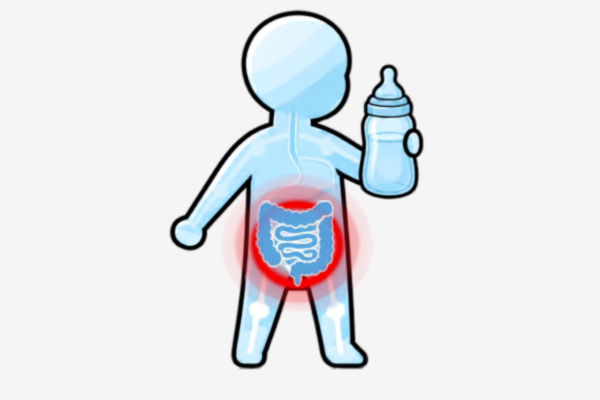
Necrotizing enterocolitis most commonly develops between 2 and 6 weeks after birth, although timing can vary depending on the infant's gestational age and underlying health conditions. Symptoms may appear suddenly or develop gradually over several days.
Because NEC is most often diagnosed in neonatal intensive care units (NICUs), healthcare providers closely monitor premature infants for warning signs.
Common symptoms may include:
As NEC progresses, symptoms may worsen rapidly. Prompt evaluation and treatment are important because serious complications can develop within a short period of time.
Healthcare providers diagnose NEC by evaluating symptoms, examining the infant, and reviewing laboratory and imaging findings.
Common diagnostic tests include:
Abdominal X-rays are often one of the most important diagnostic tools because they can reveal signs of intestinal injury, abnormal gas patterns, or intestinal perforation.
Several forms of NEC have been described:
The diagnostic process helps healthcare providers determine the severity of disease and develop an appropriate treatment plan.
Healthcare providers commonly use the Bell staging system to classify NEC severity.
Infants show early signs and symptoms that suggest NEC may be developing, but the diagnosis has not yet been confirmed.
Symptoms may include feeding intolerance, mild abdominal distension, or subtle changes in behavior and vital signs.
Clinical symptoms and imaging findings confirm NEC. Infants are typically mildly to moderately ill and require medical treatment and close monitoring.
Advanced NEC causes severe illness and may involve intestinal perforation, widespread infection, shock, or organ dysfunction. Emergency surgery is often required at this stage.
The Bell stage helps guide treatment decisions and provides insight into the likelihood of complications and recovery needs.
Many infants diagnosed with NEC survive and go on to live healthy lives. However, some children experience long-term complications that require ongoing medical care and monitoring.
Outcomes depend on factors such as the severity of disease, whether surgery was required, gestational age at birth, and the presence of other medical conditions.
NEC can cause potential complications, including:
Infants who undergo intestinal surgery may require long-term monitoring to ensure adequate growth and nutrition.
Some children experience developmental or functional challenges following severe NEC.
Potential impacts may include:
The extent of these limitations varies widely depending on the severity of disease and complications experienced during infancy.
A diagnosis of NEC can affect both the infant and the entire family. For the infant, quality of life may be shaped by feeding challenges, growth concerns, digestive discomfort, repeated medical visits, and the need for specialized nutrition or developmental support.
Some babies recover and gradually return to typical feeding and growth patterns. Others may need ongoing support for complications such as short bowel syndrome, intestinal strictures, poor nutrient absorption, or developmental delays.
Parents and caregivers may also face:
Many families benefit from early intervention services, pediatric specialists, nutrition support, developmental monitoring, and caregiver support resources.
Recovery timelines vary significantly depending on the severity of NEC and whether surgery was required.
Some infants recover after a period of medical management and gradually resume normal feeding and growth. Others require surgery, extended hospitalization, specialized nutrition support, or ongoing developmental monitoring.
Children who experienced severe NEC often benefit from long-term follow-up with pediatric specialists to monitor growth, nutrition, intestinal health, and neurodevelopment.
While many infants recover successfully, ongoing medical care may be necessary to identify and address complications as the child grows.
© 2026, Injury Info. All rights reserved.