
Fallopian tube cancer is a rare gynecologic cancer that develops when malignant cells form in the lining or connective tissues of the fallopian tubes. Because the disease often causes few symptoms in its earliest stages, it may not be diagnosed until it has already spread beyond the fallopian tubes.
Several factors influence prognosis, including the type of cancer, how far it has spread at diagnosis, the patient's age and overall health, and how well the cancer responds to treatment. Treatment frequently involves surgery to remove the fallopian tubes, ovaries, and uterus, often followed by chemotherapy or other therapies.
Researchers continue to study potential risk factors and exposures that may contribute to fallopian tube cancer development.
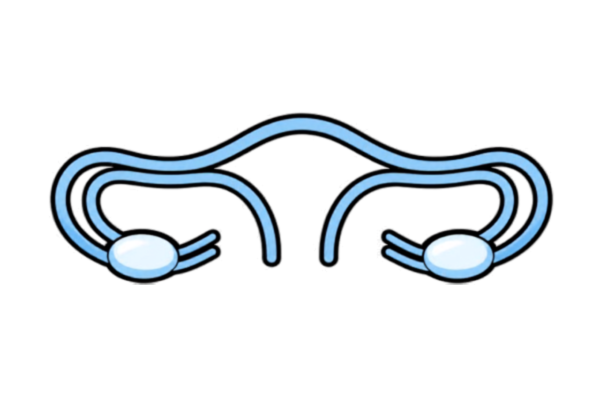
Many of the symptoms of fallopian tube cancer can be caused by less serious conditions, they are sometimes overlooked or attributed to digestive, urinary, or reproductive health issues. Symptoms that persist, worsen over time, or represent a significant change from normal patterns deserve medical evaluation.
Common symptoms may include:
Like ovarian cancer, symptom persistence is often one of the most important warning signs.
Fallopian tube cancer often does not cause noticeable symptoms during its earliest stages. As a result, some cases are not discovered until the disease has spread beyond the fallopian tubes.
Diagnosis typically begins when symptoms prompt further evaluation or when a healthcare provider identifies an abnormal mass during a pelvic examination.
Diagnostic testing may include:
Because fallopian tube cancer and ovarian cancer share many characteristics, imaging and laboratory testing alone may not always identify the exact site where the cancer originated. In many cases, definitive diagnosis occurs after surgery and pathological examination of tissue samples.
Why Rare Diseases Can Be Harder to Diagnose
When Test Results Are Inconclusive: What Happens Next
What Doctors May Monitor When Symptoms Don't Fit a Clear Diagnosis
Radiology Reports Explained: How to Understand the Terms Without Self-Diagnosing
Blood Tests and Their Role in Detecting Serious Illness
Understanding Cancer Biopsies: Why They’re Critical in Cancer Diagnosis
Fallopian tube cancer severity is generally classified according to how far the cancer has spread beyond its original location.
Cancer is confined to one or both fallopian tubes and has not spread to nearby tissues or distant organs.
Cancer has spread from the fallopian tubes into nearby pelvic tissues or organs but remains within the pelvic region.
Cancer has spread outside the pelvis to nearby lymph nodes, abdominal tissues, or surrounding organs.
Cancer has spread to distant organs or tissues outside the abdominal cavity, such as the lungs, liver, or brain.
In addition to stage, healthcare providers consider tumor characteristics, treatment response, and overall health when developing treatment recommendations and discussing prognosis.
The impact of fallopian tube cancer varies from person to person. Outcomes depend on factors such as stage at diagnosis, treatment response, age, and overall health.
Fallopian tube cancer and its treatment may cause physical effects that include:
Many patients undergo extensive gynecologic surgery followed by chemotherapy. Supportive care often plays an important role in managing symptoms and maintaining quality of life throughout treatment.
Treatment and recovery may affect daily activities, work responsibilities, and physical endurance.
Some individuals experience:
The severity and duration of these limitations vary based on treatment type and individual recovery.
A diagnosis of fallopian tube cancer often affects emotional, social, and practical aspects of life.
Common concerns may include:
Many patients benefit from support groups, counseling services, survivorship programs, and caregiver support resources.
Recovery experiences vary significantly depending on the stage of disease and the treatments received.
Patients who undergo surgery typically require several weeks of physical recovery, while chemotherapy and other treatments may extend recovery timelines. Follow-up care often includes regular imaging studies, blood tests, and medical appointments to monitor for recurrence and assess overall health.
Long-term outlook depends on several factors, including cancer stage, treatment response, age, and other health conditions. Because fallopian tube cancer can occur, ongoing medical monitoring is often an important part of survivorship care.
© 2026, Injury Info. All rights reserved.