
Baby formula exposure refers to the use of infant formula products, including specialized formulas designed for premature infants. In recent years, some families have filed lawsuits alleging that certain cow's milk-based preterm infant formulas contributed to necrotizing enterocolitis (NEC), a serious intestinal disease that primarily affects premature and medically vulnerable infants. While these claims are the subject of ongoing litigation, scientific research continues to examine the complex relationship between infant feeding practices, prematurity, and NEC, and medical experts emphasize that the condition has multiple contributing factors.
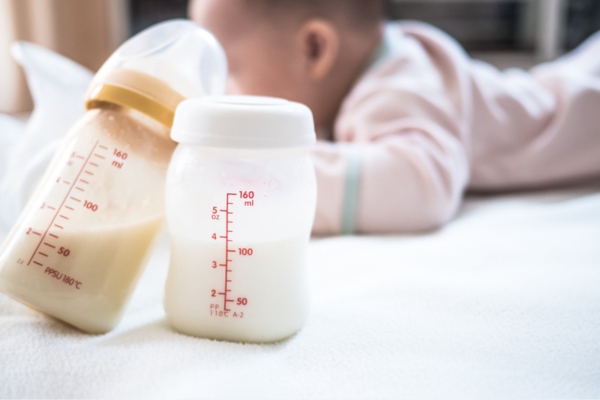
Necrotizing enterocolitis (NEC) is a complex disease that primarily affects premature and very low birth weight infants. Researchers believe NEC develops through a combination of factors, including intestinal immaturity, inflammation, blood flow changes, the developing gut microbiome, and feeding practices. Ongoing research continues to evaluate how these factors interact and why some infants develop NEC while others do not.
Most litigation involving baby formula has focused on certain cow's milk-based formulas and fortifiers used in neonatal intensive care units (NICUs) to help meet the nutritional needs of premature infants. Plaintiffs allege that manufacturers failed to adequately warn healthcare providers and families about a potential increased risk of NEC compared with an exclusive human milk diet. Manufacturers dispute these allegations, and scientific research continues to evaluate the relationship between formula feeding and NEC.
Feeding decisions for premature infants are individualized and typically made by neonatologists based on gestational age, birth weight, the availability of maternal or donor human milk, nutritional needs, and the infant's overall medical condition. Current lawsuits focus on allegations that manufacturers did not provide adequate warnings about potential NEC risks associated with certain preterm formulas, while healthcare organizations continue to emphasize that feeding decisions should remain evidence-based and individualized for each infant.
Prematurity remains the strongest known risk factor for NEC. The condition occurs most often in infants born before 32 weeks of gestation or weighing less than 1,500 grams at birth. Researchers also continue studying the roles of intestinal immaturity, infection, oxygen deprivation, blood flow changes, genetics, and the developing gut microbiome in NEC. Because the disease is multifactorial, no single factor explains every case.
Certain medical conditions may increase an infant's susceptibility to NEC. Extremely premature birth, very low birth weight, congenital heart disease, impaired intestinal blood flow, severe illness requiring intensive care, and other complications of prematurity have all been associated with increased risk. Researchers continue investigating how these factors interact with feeding practices and other clinical variables to better understand NEC development.
Research on necrotizing enterocolitis (NEC) has been ongoing for decades, but many questions remain about why some premature infants develop the disease while others do not. Current evidence supports that human milk has a protective effect against NEC, while researchers continue studying the role of cow's milk-based formulas, intestinal development, the gut microbiome, genetics, and other factors that may contribute to disease risk. NEC is widely recognized as a multifactorial condition rather than one caused by a single factor.
Recent studies continue to examine feeding practices in premature infants and their relationship to NEC. Several analyses have found that an exclusive human milk diet is associated with a lower risk of NEC than diets that include cow's milk-based formula, while researchers continue investigating whether formula itself contributes to disease development or whether other factors associated with prematurity play a larger role. Recent reviews emphasize that additional high-quality research is needed because much of the available evidence comes from older studies with varying methodologies.
Key findings from current research include:
Researchers continue studying new ways to prevent, diagnose, and treat NEC in premature infants. Current areas of investigation include improved feeding strategies, earlier detection of intestinal injury through biomarkers, advances in neonatal imaging, microbiome-based therapies, probiotic research, and approaches that may reduce inflammation or improve intestinal healing. Many of these strategies remain under investigation, and additional research is needed before they become standard clinical practice.
Much of today's NEC research is conducted through neonatal research networks, children's hospitals, universities, and federal health agencies rather than through studies of infant formula products themselves. Clinical trials are typically focused on preventing NEC, improving outcomes for premature infants, evaluating feeding strategies, and developing new treatments for infants diagnosed with the disease. Families interested in ongoing research may find additional information through ClinicalTrials.gov, the National Institutes of Health (NIH), and leading pediatric academic medical centers.
Feeding decisions for premature infants should be made by healthcare providers and families based on the infant’s medical needs, available human milk, growth goals, and overall condition. Current guidance emphasizes that mother’s milk is preferred when available, donor human milk may be considered when it is not, and specialized preterm formulas can remain an important option when human milk is unavailable or insufficient.
Parents and caregivers should follow the feeding plan provided by the infant’s NICU team, pediatrician, or neonatologist. For medically vulnerable or premature infants, feeding plans may include mother’s own milk, donor human milk, fortifiers, or specialized formula, depending on nutritional needs. Families should not change feeding products, stop fortification, or alter a prescribed feeding plan without medical guidance.
NEC can progress quickly and requires urgent medical attention. Warning signs may include a swollen or tender belly, feeding intolerance, vomiting, bloody stools, lethargy, temperature instability, breathing changes, or changes in heart rate. Parents and caregivers should seek immediate medical care if a premature or medically fragile infant develops concerning symptoms.
Federal agencies continue to review NEC research and infant feeding practices. In 2024, the FDA, CDC, and NIH stated that there is no conclusive evidence that specialty preterm formula causes NEC, while evidence strongly supports that human milk is protective against NEC. The agencies also emphasized that preterm formulas remain part of the standard of care when human milk is unavailable or insufficient.
Infant formula manufacturers must comply with federal nutrition, labeling, manufacturing, and safety requirements. Ongoing discussion around NEC has increased attention on product warnings, parent communication, hospital feeding practices, donor milk access, and the availability of specialized formulas for premature infants. Researchers and policymakers continue examining how to improve transparency, preserve access to medically necessary nutrition, and support safer feeding decisions for vulnerable newborns.
Families whose premature infants developed necrotizing enterocolitis (NEC) after receiving certain cow's milk-based infant formulas or fortifiers may wish to better understand their legal options. Whether someone may have a legal claim depends on many factors, including the infant's medical history, feeding records, diagnosis, available evidence, and the laws of the state where a claim is filed.
Every NEC baby formula claim is evaluated on its own facts. Attorneys reviewing these cases may consider the infant's gestational age, birth weight, diagnosis, feeding history, hospital records, medical treatment, and the specific products used. Current litigation generally involves allegations that manufacturers failed to adequately warn healthcare providers and families about a potential increased risk of NEC associated with certain cow's milk-based products.
Depending on the circumstances, families pursuing a baby formula lawsuit may seek compensation for medical expenses, future medical care, long-term disability, lost income related to caregiving responsibilities, pain and suffering, and, in some cases, wrongful death damages. The compensation available in any case depends on the specific facts, applicable law, and supporting evidence.
The deadline for filing a baby formula lawsuit varies by state and may depend on factors such as when the injury occurred, when the family became aware of a potential legal claim, and who is bringing the claim. Because these deadlines differ across jurisdictions, families considering legal action may wish to understand the laws that apply in their state.
Helpful documentation may include NICU records, feeding logs, physician and nursing notes, discharge summaries, imaging studies, operative reports if surgery was required, pathology reports, and records identifying the formula or fortifier used during the infant's hospitalization. Families may also wish to preserve insurance records, receipts, and any correspondence related to their child's treatment.
Baby formula litigation involving NEC continues to evolve in both federal and state courts. Hundreds of lawsuits have been filed against the manufacturers of certain cow's milk-based infant formulas and fortifiers, alleging that the products increased the risk of NEC in premature infants and that adequate warnings were not provided. To coordinate pretrial proceedings, federal cases have been consolidated into MDL No. 3026 in the U.S. District Court for the Northern District of Illinois. State court juries have also returned significant verdicts in individual cases, including verdicts against Mead Johnson and Abbott Laboratories, while manufacturers continue to deny that their products cause NEC and maintain that the scientific evidence does not establish causation. The litigation remains ongoing, and prior verdicts or settlements should not be viewed as predicting the outcome or value of any future claim.
A diagnosis of necrotizing enterocolitis (NEC) can have lifelong medical, financial, and caregiving implications for both children and their families.
© 2026, Injury Info. All rights reserved.