
Asbestos exposure occurs when microscopic asbestos fibers become airborne and are inhaled or swallowed after asbestos-containing materials are disturbed. Asbestos exposure may also occur through contaminated talc. Researchers have studied asbestos exposure for decades because it has been associated with serious diseases, including mesothelioma, lung cancer, asbestosis, and ovarian cancer, among others. While not everyone exposed to asbestos develops an asbestos-related illness, understanding how exposure occurs, who may face elevated risk, and how exposure is documented may help individuals better understand potential health and legal concerns.
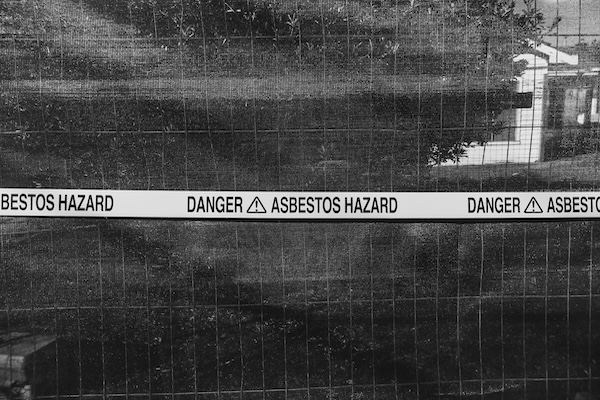
Asbestos exposure can occur in occupational, environmental, and household settings. Exposure risk often depends on the type of asbestos-containing material, whether it has been disturbed, the duration of exposure, and the amount of airborne fibers present.
Asbestos was widely used in construction materials, insulation, automotive parts, fireproofing products, and other commercial and consumer products because of its strength and heat resistance. Exposure may occur when older asbestos-containing materials are damaged during renovation, demolition, repair, or normal deterioration, allowing fibers to become airborne.
Researchers have also studied potential asbestos contamination in certain cosmetic talc products because talc and asbestos can occur naturally near one another in the earth. Learn more about talc exposure and ongoing research into asbestos-contaminated talc products.
Many occupational asbestos exposures occurred before modern safety standards were established or consistently enforced. Workers may have experienced increased exposure when employers failed to identify asbestos-containing materials, provide appropriate respiratory protection, follow safe removal procedures, or adequately train employees.
Because mesothelioma and other asbestos-related diseases often develop 20 to 60 years after exposure, researchers frequently rely on historical employment records, industrial hygiene data, and occupational histories to evaluate potential exposure.
How Asbestos Exposure Is Assessed Decades After Initial Contact
Why Asbestos Research Focuses on Exposure Latency
Cancer Latency Explained: Why Some Illnesses Take Years to Appear
Occupational exposure has historically occurred in industries such as construction, shipbuilding, manufacturing, mining, automotive repair, and industrial maintenance. Environmental exposure may also occur when asbestos-containing materials deteriorate naturally or are disturbed during renovation, demolition, or natural disasters. Some individuals have also experienced secondary exposure after asbestos fibers were carried home on clothing, shoes, or equipment.
How Occupational Asbestos Exposure Is Distinguished from Environmental Exposure
What to Know About Asbestos Fireproofing in Older Buildings
Not everyone exposed to asbestos develops an asbestos-related illness. Researchers continue studying why some individuals develop diseases such as mesothelioma while others do not.
Factors that may influence risk include:
Researchers have studied asbestos exposure for more than 50 years to better understand how inhaled fibers affect the body and contribute to disease. Scientific evidence has consistently shown that asbestos fibers can remain in the body for decades, making long-term exposure monitoring and historical documentation important components of asbestos research.
Current asbestos research focuses on improving exposure assessment, understanding why disease develops after long latency periods, studying minor radiological changes in those exposed to asbestos, and identifying better methods for diagnosing asbestos-related illnesses earlier.
Researchers continue using occupational health records, historical workplace data, environmental monitoring, and long-term population studies to better understand exposure patterns and disease risk.
Research has shown:
How Historical Asbestos Use Is Documented in Health Research
Although no treatment eliminates prior asbestos exposure, researchers continue studying new approaches to diagnosing and treating asbestos-related diseases. Current areas of research include advanced imaging, biomarker identification, immunotherapy, targeted therapies, and earlier methods of detecting mesothelioma and other asbestos-related conditions.
Scientists are also exploring whether naturally occurring compounds, including sulforaphane found in cruciferous vegetables such as broccoli, may have potential roles in cancer prevention for individuals at elevated risk, though this research remains in its early stages.
Several organizations maintain searchable databases of active mesothelioma clinical trials and conduct research focused on improving patient care, including:
Individuals interested in participating in a clinical trial should discuss available options with their healthcare team to determine whether a study may be appropriate for their diagnosis, treatment history, and overall health.
Preventing asbestos exposure begins with recognizing where asbestos-containing materials may be present and avoiding activities that could release fibers into the air. Older homes, schools, commercial buildings, and industrial facilities may still contain asbestos in insulation, fireproofing, flooring, roofing, ceiling materials, pipe coverings, and other construction products.
Asbestos-containing materials that remain intact and undisturbed generally present less risk than materials that have been damaged, deteriorated, or disturbed during renovation or demolition. Suspected asbestos-containing materials should not be cut, sanded, drilled, or removed without appropriate evaluation.
Property owners, contractors, and employers should consider professional asbestos inspections before major renovation or demolition projects involving older structures.
How Mineral Contamination Can Occur During Talc Mining And Processing
How Asbestos Fibers Are Released from Aging Construction Materials
What to Know About Asbestos Fireproofing in Older Buildings
Asbestos exposure does not typically cause immediate symptoms. Many asbestos-related diseases develop slowly, and symptoms may not appear for 20 to 60 years after exposure.
Individuals with a history of asbestos exposure should seek medical evaluation if they experience symptoms such as:
These symptoms may be associated with several medical conditions, including asbestos-related diseases, and should be evaluated by a qualified healthcare provider.
Early Warning Signs of Pleural Mesothelioma
Federal agencies regulate many aspects of asbestos management, workplace safety, and building renovations involving asbestos-containing materials. Regulations establish requirements for identifying asbestos, protecting workers, maintaining exposure records, and safely managing or removing asbestos when necessary.
Government agencies, including OSHA and the EPA, continue to oversee workplace standards, asbestos abatement requirements, school inspections, and environmental protections designed to reduce future exposure.
Workplace safety standards are intended to reduce asbestos exposure through proper training, exposure monitoring, engineering controls, personal protective equipment, and regulated handling procedures.
Employers may be responsible for:
Individuals diagnosed with mesothelioma or another asbestos-related disease after occupational, environmental, or secondary asbestos exposure sometimes explore their legal options. Learning how exposure is documented and what records may be available can help individuals better understand potential claims.
Eligibility may depend on:
Potential asbestos claims may involve compensation related to:
Available compensation depends on the specific facts of each case.
The deadline for filing an asbestos-related claim varies by state and may depend on factors such as the date of diagnosis, when the illness was discovered, the individual's exposure history, and other state-specific legal requirements. Asbestos-related diseases often develop decades after exposure, so legal deadlines may differ from those associated with other types of personal injury claims.
Exposure documentation may include:
Many asbestos exposures occurred decades ago, so researchers and legal professionals may also rely on historical industrial records, regulatory documents, and occupational exposure databases to reconstruct exposure history.
A legal consultation may help individuals better understand:
Those wishing to explore their legal options may share information with Legal Injury Advocates.
Hundreds of thousands of asbestos-related compensation claims have been filed in the last several decades. Asbestos litigation has included:
Some asbestos cases have resulted in jury verdicts or settlements ranging from tens of thousands of dollars to several million dollars, while others have resulted in defense verdicts or been resolved before trial. The amount awarded, if any, depends on many factors, including the individual's diagnosis, available evidence, exposure history, applicable state law, and the specific facts of the case.
© 2026, Injury Info. All rights reserved.