
Ozempic and other GLP-1 receptor agonist medications are prescribed to help manage type 2 diabetes and obesity. While many people use these medications without experiencing serious complications, research has examined whether GLP-1 medications may be associated with certain gastrointestinal conditions, vision-related injuries, and other adverse events in some individuals.
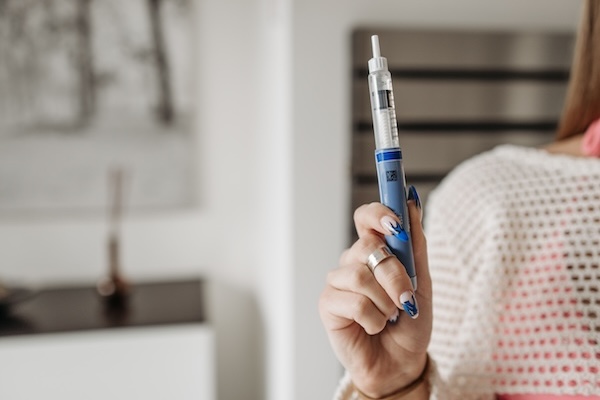
Ozempic and other GLP-1 receptor agonists are prescription medications that mimic a naturally occurring hormone involved in blood sugar regulation, appetite, and digestion. These medications can slow stomach emptying, increase insulin release when blood sugar is elevated, and help reduce appetite, but researchers continue studying whether these same effects may contribute to serious complications in some people, including gastroparesis, ileus, bowel obstruction, pancreatitis, gallbladder disease, and non-arteritic anterior ischemic optic neuropathy (NAION). Potential risk factors under study include higher doses, rapid dose escalation, longer treatment duration, pre-existing gastrointestinal conditions, diabetes-related complications, dehydration, diabetic eye disease, and individual medical history.
Using GLP-1 medications safely depends on careful prescribing, patient education, and ongoing monitoring. Healthcare providers typically review a patient’s medical history, other medications, treatment goals, and response to treatment before prescribing or adjusting these medications. Emerging research suggests that genetics, sex, age, drug type, dose, and treatment duration may help explain why some patients experience different weight loss results or side effects, but more research is needed before these findings can guide routine prescribing.
GLP-1 medications have been heavily promoted through direct-to-consumer advertising, telehealth platforms, social media, and influencer content. This may affect how some patients learn about these medications, request prescriptions, or understand potential risks, especially when promotional content emphasizes weight loss more than side effects or medical screening. Researchers and legal commentators continue evaluating how marketing, telehealth access, and patient expectations may shape informed decision-making around GLP-1 medication use.
Research on GLP-1 receptor agonists has expanded rapidly over the past decade. These medications have demonstrated meaningful benefits for many patients, but researchers continue to study their long-term safety profile, potential adverse events, and possible uses beyond diabetes and weight management. As new evidence emerges, recommendations, prescribing information, and clinical practice continue to evolve.
Recent studies have evaluated whether GLP-1 medications may be associated with uncommon but serious adverse events, including gastroparesis, ileus, bowel obstruction, gallbladder disease, pancreatitis, and non-arteritic anterior ischemic optic neuropathy (NAION). A large 2025 Nature Medicine study mapped both the potential benefits and risks of GLP-1 receptor agonists across dozens of health conditions, highlighting the complexity of balancing established therapeutic benefits with emerging safety signals that continue to be investigated. Researchers emphasize that additional long-term data are needed to better understand which patients may be at greater risk for rare complications.
Key GLP-1 research and use trends include:
Research continues to improve both the effectiveness and safety of GLP-1 therapies. Investigators are studying new medications with different mechanisms of action, combination therapies, oral formulations, and approaches that may reduce gastrointestinal side effects while maintaining clinical benefits. Scientists are also working to better identify which patients are most likely to benefit from treatment and which may require closer monitoring for adverse events.
Clinical trials continue to evaluate both the benefits and potential risks of GLP-1 medications. Current research includes studies on obesity, diabetes, cardiovascular disease, kidney disease, liver disease, sleep apnea, and other emerging therapeutic uses, as well as investigations into long-term safety and rare adverse events. Individuals interested in learning more about ongoing studies may find information through:
Many people take GLP-1 medications without experiencing serious complications. Understanding how these medications should be used, recognizing symptoms that warrant medical attention, and staying informed about evolving safety information can help patients and healthcare providers make informed treatment decisions.
GLP-1 medications should be taken only under the supervision of a licensed healthcare provider and according to the prescribed dosing schedule. Patients should not adjust their dose, stop treatment, or switch medications without medical guidance. Because these medications slow stomach emptying, healthcare providers may also recommend temporarily stopping them before certain surgical or medical procedures to reduce the risk of aspiration during anesthesia. Patients should also discuss all prescription medications, supplements, and medical conditions with their healthcare provider before starting treatment.
While nausea, vomiting, and other mild gastrointestinal symptoms are common during the first weeks of treatment, persistent or severe symptoms should not be ignored. Individuals should seek prompt medical evaluation if they experience severe or worsening abdominal pain, persistent vomiting, an inability to keep food or liquids down, signs of bowel obstruction, sudden vision changes, or other unexpected symptoms. Early evaluation can help identify whether symptoms are related to medication use or another underlying medical condition.
GLP-1 medications continue to be monitored through FDA post-market surveillance, adverse event reporting, and ongoing clinical research. As new safety information becomes available, prescribing information, medication labels, and FDA communications may be updated to reflect the latest scientific evidence.
FDA-approved GLP-1 medications are manufactured under federal quality standards. However, the FDA has cautioned consumers about some compounded GLP-1 products, particularly those obtained outside traditional pharmacy channels or from unlicensed sources. Patients should discuss medication sourcing with their healthcare provider and pharmacist and understand the differences between FDA-approved medications and compounded products before beginning treatment.
Individuals who experienced a serious injury after using Ozempic or another GLP-1 receptor agonist may wish to better understand their legal options. Whether someone may have a legal claim depends on many factors, including the medication used, the injury sustained, medical records, available evidence, and the laws of the state where a claim is filed.
Every GLP-1 medication claim is evaluated on its own facts. Attorneys reviewing these cases may consider the specific medication prescribed, how long it was used, the nature of the injury, medical records, treatment history, and whether other potential causes have been ruled out. Current litigation primarily involves allegations that manufacturers failed to adequately warn patients and healthcare providers about certain serious risks associated with GLP-1 medications.
Depending on the circumstances, individuals pursuing GLP-1 medication claims may seek compensation for medical expenses, future medical care, lost wages, diminished earning capacity, pain and suffering, caregiving costs, and, in some cases, wrongful death damages. The compensation that may be available in any case depends on the specific facts, applicable law, and supporting evidence.
The deadline for filing a GLP-1 medication claim varies by state and may depend on when an individual was diagnosed, when the injury occurred, or when they reasonably became aware of a possible connection between the medication and their injury.
Medical documentation is often an important part of evaluating a potential GLP-1 medication claim. Helpful records may include prescription history, pharmacy records, medical records documenting the injury, diagnostic imaging or testing, hospitalization records, operative reports if applicable, and documentation showing when symptoms began relative to medication use.
Litigation involving Ozempic, Wegovy, Mounjaro, and other GLP-1 medications continues to expand in the United States. Thousands of lawsuits have been filed alleging that manufacturers failed to adequately warn patients about serious gastrointestinal injuries, including gastroparesis, ileus, bowel obstruction, and related complications. In February 2024, these federal cases were consolidated into a multidistrict litigation (MDL) in the U.S. District Court for the Eastern District of Pennsylvania to coordinate pretrial proceedings. More recently, some lawsuits have also begun alleging vision-related injuries, including non-arteritic anterior ischemic optic neuropathy (NAION), although those claims remain in earlier stages of litigation. Because these cases are ongoing, prior rulings or settlements should not be viewed as predicting the outcome or value of any future claim.
© 2026, Injury Info. All rights reserved.