
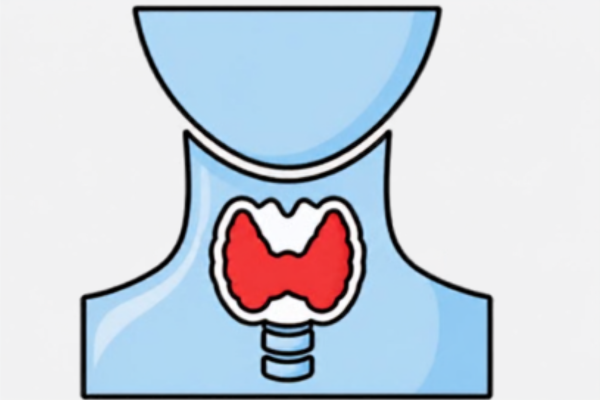
Thyroid cancer develops when abnormal cells begin growing uncontrollably within the thyroid gland. The thyroid is a small, butterfly-shaped gland located at the base of the neck that produces hormones responsible for regulating metabolism, energy levels, body temperature, heart rate, and other essential functions.
Several types of thyroid cancer exist, each with different growth patterns, treatment approaches, and long-term outlooks. The type of cancer, stage at diagnosis, age of the patient, and overall health all influence prognosis and treatment recommendations.
Researchers continue to study potential risk factors and exposures that may contribute to thyroid cancer development.
Many people with thyroid cancer experience no symptoms during the earliest stages of disease. In fact, some thyroid cancers are discovered incidentally during imaging performed for unrelated medical reasons.
The first noticeable sign is often a painless lump or nodule in the neck. It's important to note that most thyroid nodules are benign and do not represent cancer.
As thyroid cancer grows, symptoms may include:
Symptoms often depend on the tumor's size, location, and whether it has spread to nearby structures.
Why Some Cancers Are Diagnosed Late Despite Regular Doctor Visits
How Symptoms Are Prioritized During Medical Evaluations and What Comorbidities Mean
Why Chronic Fatigue Is One of the Most Reported Symptoms Across Serious Illnesses
Thyroid cancer is often discovered after a thyroid nodule is identified during a physical examination or imaging study. Healthcare providers use several tests to determine whether a thyroid nodule is cancerous and, if so, what type of thyroid cancer is present.
Common diagnostic tests include:
Doctors also work to identify the specific type of thyroid cancer because different forms of the disease behave differently and may require different treatments.
The primary types of thyroid cancer include:
After diagnosis, physicians use imaging, pathology results, and other testing to determine the stage of disease and develop an individualized treatment plan.
Blood Tests and Their Role in Detecting Serious Illness
Understanding Cancer Biopsies: Why They’re Critical in Cancer Diagnosis
When Test Results Are Inconclusive: What Happens Next
What Doctors May Monitor When Symptoms Don't Fit a Clear Diagnosis
Thyroid cancer severity is generally classified using the American Joint Committee on Cancer (AJCC) TNM staging system.
The TNM system evaluates:
Thyroid cancer is then grouped into stages ranging from Stage 1 through Stage 4.
Cancer remains localized and has not spread extensively. Many patients diagnosed at this stage have highly favorable outcomes.
Cancer may be larger or show limited spread, but remains relatively localized.
Cancer has spread into nearby tissues or lymph nodes within the neck.
Cancer has spread extensively into nearby structures or distant organs such as the lungs, bones, or other areas of the body.
Unlike many other cancers, age and cancer type play an important role in thyroid cancer staging and prognosis.
Many individuals diagnosed with thyroid cancer experience positive long-term outcomes, particularly when the disease is detected early. The impact of thyroid cancer varies based on tumor type, stage, treatment approach, and overall health.
Physical effects may result from both the cancer itself and treatments such as surgery, radioactive iodine therapy, radiation, or systemic therapies.
Potential effects include:
Many patients undergo thyroidectomy, a procedure that removes part or all of the thyroid gland. Individuals who have their thyroid removed often require lifelong thyroid hormone replacement therapy.
Some individuals experience temporary or long-term limitations during treatment and recovery.
Potential challenges may include:
Following surgery, patients may also need time to recover from incision healing and adjust to changes in thyroid hormone levels.
A thyroid cancer diagnosis can affect many aspects of daily life beyond physical health.
Common concerns may include:
Many individuals find support through counseling, survivorship programs, patient advocacy organizations, and support groups.
Recovery timelines vary based on the type of thyroid cancer, stage at diagnosis, and treatment approach.
Many patients recover from thyroid surgery within several weeks, although adjustments to thyroid hormone replacement therapy may continue for months. Individuals undergoing additional treatments such as radioactive iodine therapy may require longer periods of monitoring and follow-up care.
Some thyroid cancers can recur even after successful treatment and removal of the thyroid gland. Recurrence risk is generally higher when the original cancer was aggressive or had spread beyond the thyroid.
However, many people diagnosed with thyroid cancer experience favorable long-term outcomes and continue to lead active, healthy lives after treatment.
© 2026, Injury Info. All rights reserved.