
Ovarian cancer is a disease that develops when abnormal cells begin growing uncontrollably in the ovaries, fallopian tubes, or surrounding tissues. Multiple types of ovarian cancer exist, each developing from different cells and behaving differently within the body. The type of ovarian cancer, stage at diagnosis, and overall health of the individual all influence treatment recommendations and prognosis.
Researchers continue to study potential risk factors and exposures that may contribute to ovarian cancer development. Learn more about these topics:
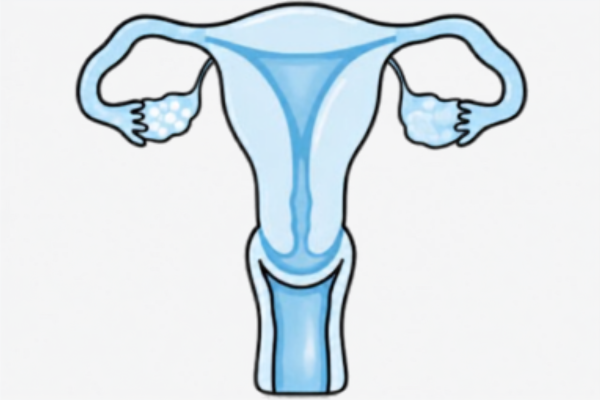
Ovarian cancer is often difficult to detect in its earliest stages because symptoms can resemble common digestive, urinary, or gynecological conditions. Many symptoms develop gradually and may initially seem unrelated to a serious illness.
Common symptoms may include:
Because many ovarian cancer symptoms overlap with digestive disorders, ovarian cysts, or routine gastrointestinal issues, individuals may delay seeking evaluation. One reason ovarian cancer is sometimes referred to as a "silent disease" is that symptoms are often subtle, vague, and easy to dismiss until they become more persistent.
The most important distinction is often symptom persistence. Symptoms that occur frequently, continue for several weeks, or represent a noticeable change from normal patterns deserve medical attention.
How Ovarian Cancer Symptoms Compare to Digestive Disorders
How Symptoms Are Prioritized During Medical Evaluations and What Comorbidities Mean
Why Chronic Fatigue Is One of the Most Reported Symptoms Across Serious Illnesses
Diagnosing ovarian cancer typically involves a combination of symptom evaluation, imaging studies, laboratory testing, and tissue analysis. Because symptoms often resemble more common conditions, diagnosis may require several steps before a definitive answer is reached.
Healthcare providers also work to identify the specific type of ovarian cancer because different forms of the disease may behave differently and require different treatment approaches.
The primary types of ovarian cancer include:
Diagnostic testing may include:
A diagnosis is rarely based on a single test. Physicians typically combine information from symptoms, imaging findings, laboratory results, and pathology reports to determine whether ovarian cancer is present and what type of cancer has developed.
Radiology Reports Explained: How to Understand the Terms Without Self-Diagnosing
Understanding Cancer Biopsies: Why They’re Critical in Cancer Diagnosis
Blood Tests and Their Role in Detecting Serious Illness
When Test Results Are Inconclusive: What Happens Next
Why Some Cancers Are Diagnosed Late Despite Regular Doctor Visits
Ovarian cancer severity is generally classified according to how far the disease has spread at the time of diagnosis.
Cancer is confined to one or both ovaries or fallopian tubes. Treatment outcomes are often more favorable when cancer is identified at this stage.
Cancer has spread to nearby pelvic tissues but remains within the pelvic region.
Cancer has spread beyond the pelvis into the abdominal cavity and may involve nearby lymph nodes.
Cancer has spread to distant organs outside the abdominal cavity, such as the liver, lungs, or other parts of the body.
Cancer stage helps guide treatment planning, but other factors such as tumor type, grade, genetic characteristics, and overall health also influence prognosis and treatment recommendations.
The effects of ovarian cancer vary significantly from person to person. Some individuals experience relatively mild symptoms early on, while others face significant physical, emotional, and functional challenges during treatment and recovery.
Ovarian cancer and its treatment may cause a number of physical effects that may include:
Managing side effects is an important part of treatment and survivorship care. Healthcare providers often recommend supportive therapies, nutritional support, medications, and rehabilitation strategies to improve comfort and quality of life.
Symptoms and treatment effects may affect daily activities, work responsibilities, physical endurance, and independence.
Some individuals experience:
The degree of limitation varies based on treatment type, disease stage, and overall health.
Living with ovarian cancer may affect many aspects of daily life beyond physical symptoms.
Common quality-of-life concerns may include:
Support groups, mental health services, patient navigators, and caregiver resources may help patients and families navigate these challenges.
Recovery timelines vary depending on cancer stage, treatment approach, and individual health factors.
Many patients undergo a combination of surgery, chemotherapy, targeted therapy, or other treatments. Recovery may take weeks, months, or longer, depending on the complexity of care and any side effects experienced during treatment.
Regular follow-up visits, imaging studies, and monitoring often continue after treatment is completed. Many individuals successfully return to their normal routines, while others require ongoing supportive care and symptom management.
© 2026, Injury Info. All rights reserved.