
Living with mesothelioma typically means managing symptoms like breathing difficulties, chest or abdominal pain, fatigue, digestive changes, and emotional stress. These challenges may vary based on the type of mesothelioma and the treatments involved, but many people find that thoughtful pacing, tailored nutrition, gentle movement, and regular communication with clinicians help maintain comfort. This article outlines common symptoms and provides day-to-day strategies that many patients and caregivers find helpful.
Published on:
May 31, 2026
Category:
For Caregivers

A mesothelioma diagnosis often comes unexpectedly and may feel overwhelming at first. The disease progresses differently for everyone, depending on tumor type, location, and overall health.
Many patients describe needing time to process the diagnosis while learning how treatment may help manage symptoms or slow disease progression. While mesothelioma is a serious condition, supportive care, physical therapy, pain management, and targeted treatments can improve quality of life in meaningful ways.
Your care team is there to help you understand your options, set realistic expectations, and support you through physical and emotional adjustments.
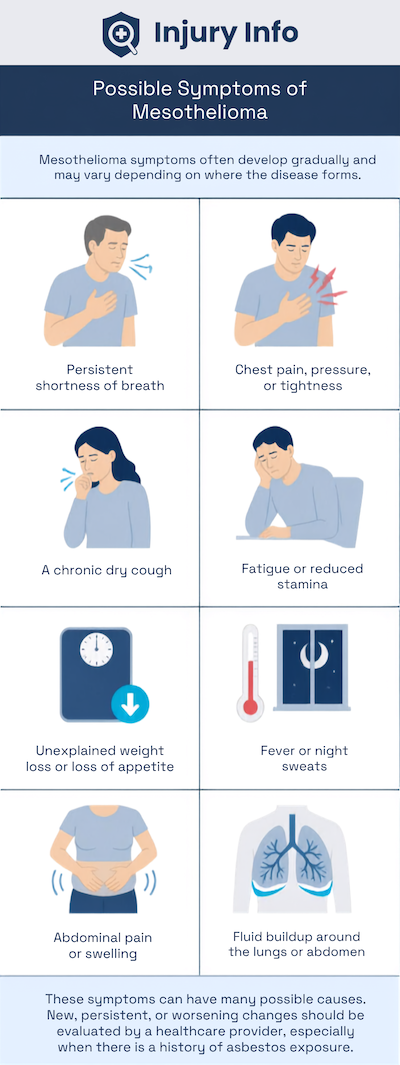
Symptoms usually depend on where the tumor forms. These are some common locations and corresponding conditions:
Symptoms can develop gradually, and many patients mistake them for more common respiratory or digestive conditions. Understanding your symptoms helps guide treatment discussions and day-to-day planning.
There are many things patients can do to manage symptoms. These include the following:
Fatigue is one of the most common symptoms. Spreading tasks throughout the day and taking short rests can help maintain stamina.
Pleural mesothelioma often affects breathing. Pulmonary rehab, guided breathing exercises, or assistive devices may help reduce discomfort.
Light exercise, such as walking or stretching, can improve mobility and decrease stiffness. Always follow your care team’s recommendations.
Small, frequent meals can be easier on digestion, especially for those with abdominal swelling or appetite changes.
Keeping a symptom journal helps you notice patterns and share accurate updates with your healthcare team.
These strategies support comfort but do not replace individualized medical guidance. Talk with your healthcare providers about solutions specific to your needs.
You should contact your care team if you experience:
Mesothelioma symptoms can change quickly, and early intervention may prevent complications or open additional treatment options. Your clinicians can adjust medications, recommend therapies, or order imaging as needed.
People living with mesothelioma often rely on a combination of medical, emotional, and practical support. Below are trusted resources that many families find helpful when navigating diagnosis, symptoms, and next steps:
Many people with mesothelioma also have questions about environmental exposures. Research continues to explore links between asbestos, contaminated talcum powder, and disease development.
If you believe your diagnosis may be connected to asbestos-containing products, occupational exposure, or contaminated talcum powder, Injury Info can help you understand your legal options clearly and compassionately.
We offer free, no-obligation case evaluations to help you determine whether preventable exposures or lapses in medical care may have contributed to your diagnosis.
Contact Injury Info today for a free case evaluation. You do not have to manage this journey alone.

Being a caregiver to someone with testicular cancer means offering practical help and emotional support. Learn what to expect and how you can help.

Learn about caring for someone with Parkinson’s disease. Understand what to expect and receive expert tips for preventing burnout.

Caring for someone with kidney cancer can include encouraging healthy habits, helping with daily chores, and offering hope. Explore more ways to help.
© 2026, Injury Info. All rights reserved.