
If you work with agricultural herbicides, wearing the appropriate personal protective equipment is one of the most effective ways to reduce your risk of exposure, and in some situations, it is even required under federal law.
The EPA's Agricultural Worker Protection Standard is intended to reduce pesticide poisonings and injuries among agricultural workers and pesticide handlers, offering occupational protections to over 2 million workers at more than 600,000 agricultural establishments.
Herbicide exposure may occur through the skin, through inhalation, or through accidental ingestion, and the consequences of inadequate protection can be severe, particularly with highly toxic compounds such as paraquat, depending on exposure level and conditions.
Learning what protective gear is required, when it must be worn, and how federal standards govern its use is essential for anyone working in agricultural settings where herbicides are handled.
Published on:
June 8, 2026
Category:
Health Resources
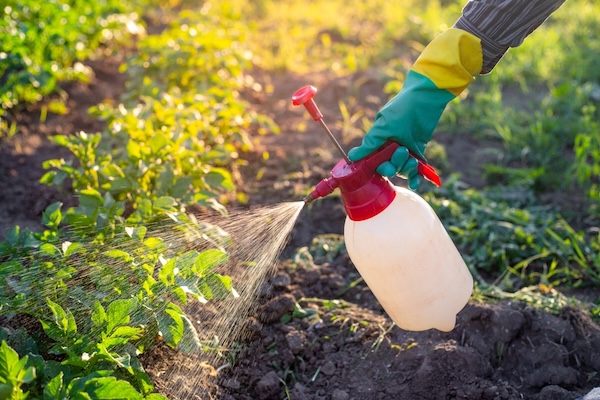
Herbicides are designed to control unwanted plant growth, but the same chemical properties that make them effective can pose serious risks to human health if they are exposed. Some herbicides carry a higher risk profile than others.
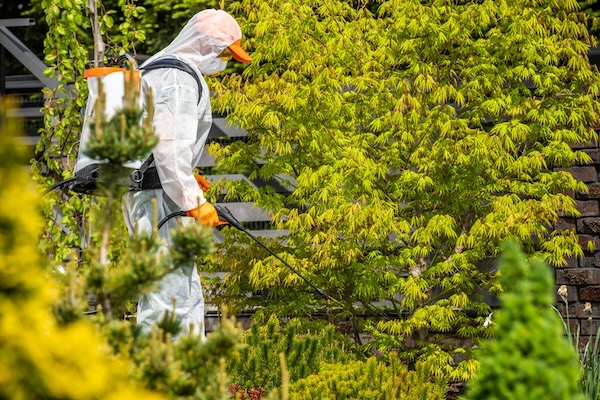
Paraquat handlers are required to wear extensive PPE, including an air-purifying respirator with cartridges, chemical-resistant gloves, protective eyewear, and long clothing. The most common root cause of paraquat-related illness in documented cases was failure to comply with PPE requirements. Even brief exposure without appropriate protection can increase risk, particularly during tasks involving concentrated chemical forms.
The EPA's Worker Protection Standard establishes requirements for protecting agricultural workers from pesticide exposure, including guidelines for protective equipment, training, and restricted-entry intervals following pesticide application. Following these requirements is not simply a best practice; it is a federally enforceable obligation for employers and handlers operating under the WPS.
The specific protective equipment required when working with agricultural herbicides depends on the product label, the task being performed, and the chemical's concentration. However, several forms of protective gear are consistently required across herbicide applications.
For applicators using paraquat, PPE requirements include a long-sleeved shirt and long pants, chemical-resistant gloves, shoes plus socks, protective eyewear, and a NIOSH-approved particulate filtering respirator with any N, R, or P class filter media. Individuals who are mixing and loading are additionally required to wear a chemical-resistant apron and a face shield in place of standard protective eyewear. For respirator selection, only NIOSH-approved respirators should be used, and approved respirators carry a TC number prefix indicating they have been tested and certified for a specific level of protection. Pesticide labels will specify the required respirator type and filter class for each product.
Using the appropriate protective gear for the specific task being performed is critical, as requirements differ between mixing and loading, field application, and equipment cleaning.
Exposure to agricultural herbicides may occur during multiple activities, including mixing, application, and equipment cleaning.
When the application site was known, the vast majority of acute paraquat-related illnesses arose from agricultural applications, and common root causes included failure to use adequate personal protective equipment, failure of application equipment, and spills or splashes. Recognizing these specific situations helps workers and employers identify when protective equipment is most critical and ensure it is consistently used.
Safety standards for personal protective equipment in agriculture have evolved over the past decades as regulators and researchers gained a clearer picture of exposure pathways and health consequences.
The EPA's Worker Protection Standard, most recently revised in 2015, establishes the core federal framework governing PPE requirements, worker training, and restricted-entry intervals for agricultural pesticide use. Under the WPS, employers are responsible for providing required protective equipment, ensuring workers and handlers are trained in its proper use, and maintaining safe working conditions during and after pesticide applications. When handlers use closed systems, enclosed cabs, or aircraft in a manner that meets WPS requirements, handler PPE requirements may be reduced or modified as specified in the standard, but these reductions apply only when all relevant conditions are met.
Ongoing research continues to inform these guidelines, aiming to reduce the long-term health effects of repeated pesticide exposure among agricultural workers.

For individuals who work with agricultural herbicides, learning about exposure risks is only part of the equation. Questions about potential health effects, especially after repeated or long-term exposure, can be difficult to navigate. To learn more, explore Injury Info resources on herbicide exposure, including potential health impacts.

Experiencing unexplained vision problems? Learn the signs of meningioma brain tumors and when persistent symptoms require medical attention.
Learn why paraquat exposure research relies on long-term monitoring and how latency and study design affect findings and interpretation.

Learn how to manage fatigue, memory issues, and daily routines while living with meningioma and when medical or legal support may help you move forward.
© 2026, Injury Info. All rights reserved.