
In late November 2025, a scientific journal withdrew one of the most cited papers in glyphosate safety research, signaling a significant development within the scientific community. The 25-year-old study had been used by regulators worldwide to support continued regulatory approval of Roundup. The retraction raised fresh questions about glyphosate health risks, how industry influence enters the scientific record, and what it means when foundational research is removed years after shaping policy. Keep reading for a clear explanation of what happened, why it matters, and what it does, and does not, tell us.
Published on:
October 12, 2026
Category:
Health Resources
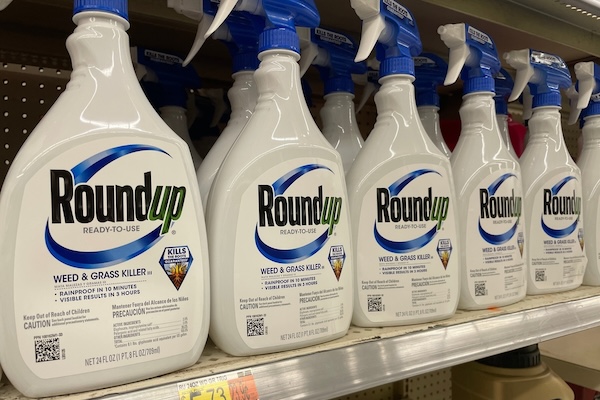
Published in 2000, the study concluded that glyphosate, the active ingredient in Roundup, did not pose meaningful health risks to humans at typical exposure levels. For more than two decades, it was what the journal's own editor later called a "hallmark paper" on glyphosate carcinogenicity. It was cited over 1,300 times in academic literature and referenced in regulatory documents worldwide, including EPA glyphosate risk assessments.
The study was presented as independent academic research. When agencies in multiple countries evaluated glyphosate safety, this paper was consistently among the most prominent sources supporting the conclusion that the herbicide did not pose what regulators characterize as unacceptable risk at anticipated exposure levels.
Problems emerged when internal Monsanto emails released during litigation showed company employees may have played a significant undisclosed role in drafting the paper. These undisclosed roles possibly included writing, data collection, and review, all while it was presented as independent academic work. Despite those revelations, the paper remained widely cited for years.
The formal retraction came after a researcher demonstrated that the paper ranked in the top 0.1 percent of all academic citations on glyphosate and that those citation rates had barely changed, even after the ghostwriting was disclosed in litigation. The journal cited three concerns in the retraction notice: undisclosed Monsanto authorship, reliance solely on unpublished Monsanto data, and failure to incorporate long-term carcinogenicity studies already available at the time of publication.
A retraction is one of the most serious actions a scientific journal can take. It signals that a paper should no longer be relied upon as part of the reliable scientific record. Whether due to data fabrication, methodological errors, or undisclosed authorship, retractions formally remove a paper as a citable source and indicate that its conclusions should not be relied upon going forward. A retraction does not erase historical influence, but it carries significant weight in how researchers, regulators, and courts treat the evidence.
This retraction was notable for the length of time it took; it was eight years between disclosure and formal action. Despite this, the retraction sent a message that undisclosed industry authorship is unacceptable regardless of age or commercial significance. There are similar patterns of ghostwriting and undisclosed conflicts of interest that appear repeatedly in product-defense research on tobacco, lead, and other chemicals, which some suggest this case may not be isolated.
The scientific debate over glyphosate health risks remains unresolved. The International Agency for Research on Cancer (IARC), the specialized cancer agency of the World Health Organization, classified glyphosate as a probable human carcinogen in 2015; the EPA maintains it is unlikely to be carcinogenic at typical exposure levels and is under a court-ordered 2026 deadline to complete a new safety assessment without relying on the retracted study. The retraction has also renewed calls for stricter conflict-of-interest disclosure and tighter oversight of unpublished, manufacturer-submitted data in pesticide safety reviews.
Independent research continues to accumulate. A 2025 study found glyphosate-based herbicides may bewere associated with multiple cancer types, including leukemia, in rats exposed at or below EU-approved safety doses. Animal studies have real limitations in translating to human outcomes, but the finding illustrates the kind of investigation now proceeding without the retracted paper as a reference point.
The glyphosate retraction is a reminder that the scientific record is not static, it is continuously revised as evidence accumulates, methodological problems surface, and the independence of past research is examined more carefully. For people navigating environmental exposure questions, this can feel disorienting, but it reflects how science is supposed to work: self-correcting, transparent, and ultimately responsive to evidence.
What the retraction does not resolve is the question of individual glyphosate exposure and its health implications. Those require evaluation by qualified professionals who can assess a specific exposure history, health status, and the full body of current evidence.
If you or someone you know has questions about glyphosate exposure and what it may mean medically, scientifically, or legally, you may wish to seek clear, reliable information. Research on glyphosate health risks is still evolving. If you choose, you may visit InjuryInfo.com to explore general educational resources. Injury Info provides information only and does not offer medical advice. You may share information for preliminary legal review. Initial consultations are free and carry no obligation. Contacting us does not create an attorney–client relationship. No outcome is guaranteed, and any matter requires claim-by-claim evaluation by licensed counsel or co-counsel.

Paraquat and other herbicides require chemical-resistant gloves, respirators, eye protection, and other PPE. Learn when exposure risk is highest.

Incorrect glucose readings may delay treatment or trigger dangerous responses. Learn how CGM devices measure blood sugar and what recent recalls may mean.

Learn how meningioma and its treatment can affect thinking, mood, and daily life over time, and how patients and families can support long-term recovery.
© 2026, Injury Info. All rights reserved.