
For more than a century, talc powder has been one of the most widely used ingredients in personal care and cosmetic products worldwide. Talc is a naturally occurring mineral composed of magnesium, silicon, oxygen, and hydrogen. When mined and finely ground, it produces a soft, silky powder with a unique combination of properties: high absorbency, smooth texture, chemical inertness, and a very low cost. These properties made it attractive to cosmetic manufacturers for generations. Learning the history of talc powder use in personal care products means understanding both the industrial logic behind its widespread adoption and the growing body of scientific and regulatory scrutiny that has accumulated around it over the past six decades.
Published on:
November 3, 2026
Category:
Health Resources
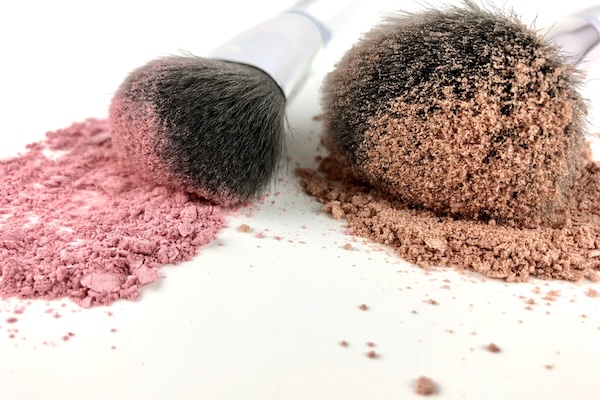
Talc's appeal to cosmetic formulators comes from its functional versatility. The FDA identifies its primary cosmetic uses as absorbing moisture, preventing caking in powder products, making facial makeup opaque, and improving the sensory feel of a finished formulation.
Its chemical inertness means it does not react with other ingredients, making it a stable base for pigments, fragrances, and active components. It is also inexpensive to mine and process compared to alternative minerals such as mica, silica, or rice starch, which made it the default choice for high-volume, mass-market products throughout the twentieth century.
In product formulation, talc functions across several technical roles. It serves as an absorbent to manage skin oiliness, a bulking agent to give pressed powders their structure, an opacifying agent to adjust coverage, and a slip modifier to improve how a product spreads across skin.
Face powders often contain talc at very high concentrations, in some formulations approaching 100% of the powder base. During manufacturing, cosmetic-grade talc must be white, sterilized, and processed to have a fine, plate-like particle structure specifically suited to delivering a smooth sensory result without excessive coverage.
Talc powder is used in a wide range of beauty and personal care products. Baby powder became one of the most recognizable applications during the late nineteenth and early twentieth centuries, valued for absorbing moisture and reducing friction on infant skin. In the cosmetics market, talc became the primary ingredient in loose face powders, pressed powder foundations, blushes, bronzers, eyeshadows, setting powders, and translucent finishing powders. It also appeared in body powders, foot powders, deodorant formulations, and some skincare products designed to control oiliness. The breadth of these talc powder uses reflects how effectively the mineral's physical properties translated across very different product categories.
Scientific scrutiny of talc powder intensified beginning in the 1960s and 1970s on two distinct fronts. Some scientific literature going back to the 1960s explores a possible association between the use of powders containing talc in the genital area and ovarian cancer incidence.
Separately, questions arose in the 1970s about whether talc deposits could be contaminated with asbestos during mining, since both minerals occur naturally in the same geological formations.
There is a nearly fifty-year history of industry and regulatory debates over how to test for and disclose potential asbestos content in cosmetic talc products. These debates include concerns that industry-preferred testing methods may not have detected all forms of asbestos present in talc products.
Despite growing consumer awareness, talc remains a common ingredient in many cosmetic products sold in the United States. Johnson & Johnson transitioned its North American baby powder from a talc-based to a cornstarch-based formula in 2023, but numerous other brands continue to use talc in pressed powders, eyeshadows, blushes, and related products.
In December 2024, the FDA proposed regulations that would have required standardized testing methods for asbestos in talc-containing cosmetics, but that proposed rule was withdrawn in November 2025 pending further evaluation. As of 2025, no federal regulation mandates a specific asbestos testing standard for cosmetic talc, meaning testing practices vary by manufacturer.
Under FDA labeling requirements, talc must be listed on the ingredient label of any cosmetic product in which it is used. It appears on ingredient lists as "talc" or, in some international labeling systems, by its INCI designation as a magnesium silicate compound.
Consumers who wish to avoid talc can look for products labeled "talc-free" and check ingredient lists for alternative bases such as cornstarch, rice powder, arrowroot starch, mica, or silica.
Because current federal regulations do not require asbestos testing disclosures on product labels, consumers cannot determine from labeling alone whether a talc-containing product has been tested for asbestos contamination, what testing method was used, or what the results were. Verifying asbestos testing practices typically requires contacting the manufacturer directly or consulting independent product safety databases.
Visit InjuryInfo.com for evidence-based resources on talc powder, product safety history, and asbestos contamination research.

Learn to read medical reports including lab tests, imaging studies, and biopsy results for serious illnesses like ovarian cancer, mesothelioma, and lymphoma.
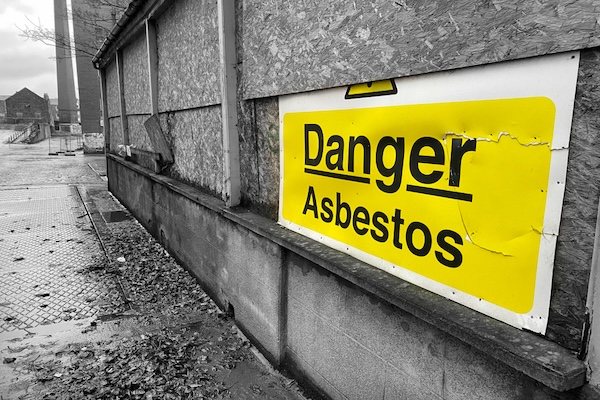
Asbestos fireproofing is present in many older buildings. Learn where it is, what activities disturb it, and what you should know to reduce exposure risk.

Learn why diagnoses like mesothelioma, ovarian cancer, and non-Hodgkin lymphoma can involve legal considerations related to exposure and product safety.
© 2026, Injury Info. All rights reserved.