
When comparing acute and chronic health conditions, the main differences lie in duration, onset, and severity. Acute conditions are short-term and sudden, while chronic conditions are long-term and ongoing. The phrase “serious health condition” is usually a legal and medical term that refers to a specific medical state that requires ongoing medical care or hospitalization. Knowing these distinctions can help individuals better understand their diagnosis, treatment options, and long-term health outlook. It also allows patients and their loved ones to make more informed choices about medical care, insurance coverage, and even legal protections. When you’re empowered with this knowledge, you can better navigate your own health and understand when legal support could be appropriate.
Published on:
June 24, 2026
Category:
Health Resources

An acute condition is a medical issue that develops suddenly and typically lasts for a short period, usually days or weeks. These conditions often come on quickly and require prompt medical attention, but generally resolve once treatment is provided.
Common examples include infections such as pneumonia or strep throat, sudden injuries like a broken bone or sprained ankle, or illnesses such as the flu or appendicitis. In many cases, acute conditions respond well to timely treatment through medication, surgery, or supportive care, leading to full recovery.
However, not all acute conditions are mild. Some can be life-threatening, such as heart attacks, severe allergic reactions, or acute respiratory distress. These require immediate emergency care. Without treatment, an acute illness can progress or lead to complications that may contribute to chronic health issues, for instance, untreated bronchitis can turn into chronic obstructive pulmonary disease (COPD) over time.
Recognizing symptoms early and seeking professional care from a licensed healthcare provider can help ensure a faster and more complete recovery. Even after recovery, appropriate follow-up care is recommended to ensure that no lingering complications remain.
A chronic condition is a long term health issue that persists for months or even years and often requires ongoing management rather than a cure. These conditions develop gradually and may worsen over time if not properly treated or monitored.
Examples of chronic conditions include diabetes, hypertension (high blood pressure), arthritis, asthma, heart disease, and autoimmune disorders like lupus. In many cases, chronic diseases are influenced by lifestyle factors—such as diet, exercise, smoking, and stress—but genetics, environment, and underlying health factors can also play a major role.
Because chronic conditions can impact daily life and overall well-being, consistent care and attention are key. Many people live full and active lives with chronic illnesses by taking prescribed medications, following a healthy lifestyle, and regularly visiting healthcare providers. For instance, a person with diabetes might manage their condition through a combination of insulin therapy, blood sugar monitoring, and nutrition management.
Preventive healthcare also plays a crucial role. Regular checkups, screenings, and early detection may help slow the progression of chronic diseases and reduce complications. When managed proactively, chronic conditions do not necessarily determine a person’s quality of life. They can often be controlled through appropriate medical care and support.
A “serious health condition” is any illness, injury, or impairment that requires inpatient care or ongoing treatment by a healthcare provider and significantly limits a person’s ability to function normally. This term is usually used in medical and legal contexts, most notably under the Family and Medical Leave Act (FMLA), to determine whether someone qualifies for job-protected medical leave.
Serious health conditions include major surgeries, cancer, heart disease, stroke, severe mental health disorders, or pregnancy. These conditions typically require hospital stays, rehabilitation, or recurring treatment such as chemotherapy or dialysis.
Importantly, a serious health condition can be either acute or chronic. For example, a heart attack is an acute medical emergency, and is also part of a chronic condition like heart disease. Similarly, complications from pregnancy or childbirth may require short-term care but still qualify as “serious” under legal standards because of the potential risk to health and function.
Under the FMLA, eligible employees may take a certain amount of unpaid leave to recover from a serious health condition, or to care for a loved one facing one. Unfortunately, not all workers are covered under the FMLA, and many find that even the allotted leave isn’t enough time for full recovery. Individuals facing such challenges should consider seeking professional guidance to understand their rights and available options.
Prompt treatment, thorough documentation, and consistent follow-up care are all essential not only for health outcomes but also for protecting your rights if your condition affects your ability to work or perform daily activities.

If you’re dealing with an acute, chronic, or serious health condition that you believe may be related to a defective or unsafe product, medication, or environmental exposure, it’s important to understand your legal options. Many people suffer long-term health consequences due to factors beyond their control, such as toxic chemical exposure, faulty medical devices, or harmful drugs, and they may qualify to pursue a legal claim for compensation.
Our legal professionals can help you evaluate whether you may have a claim, explain your rights under federal and state laws, and connect you with resources designed for your situation. Every case is unique, and getting answers from experienced professionals can be the first step toward justice and recovery.
To learn more or request a free, no-obligation evaluation of your potential claim, visit InjuryInfo.com today.

Learn how meningioma and its treatment can affect thinking, mood, and daily life over time, and how patients and families can support long-term recovery.
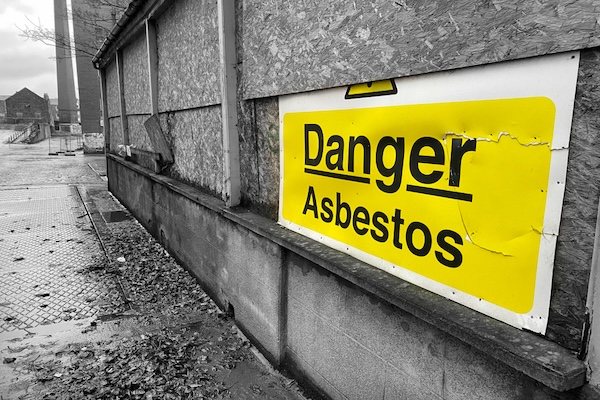
Asbestos fireproofing is present in many older buildings. Learn where it is, what activities disturb it, and what you should know to reduce exposure risk.

Learn how talc exposure patterns are studied, what the data may show, and why conclusions require careful interpretation.
© 2026, Injury Info. All rights reserved.