
Mesothelioma is a rare and aggressive cancer most commonly linked to asbestos exposure, but several additional factors can influence a person’s risk. Understanding these risk factors does not necessarily predict whether someone will develop mesothelioma; many exposed individuals never do. However, awareness can help patients and families better understand possible causes, discuss concerns with healthcare professionals, and explore available support resources.
Published on:
June 24, 2026
Category:
Health Resources
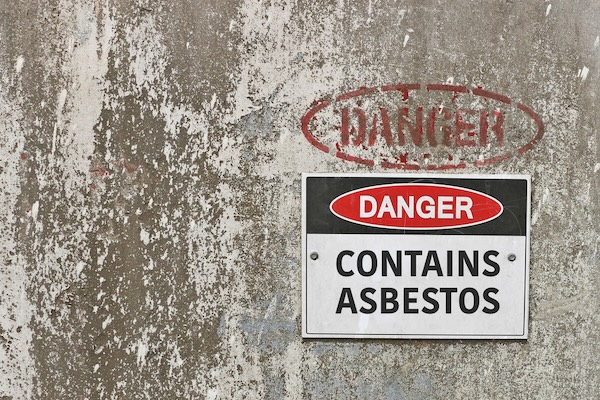
Risk factors are characteristics or exposures that increase the likelihood of developing a disease. In the case of mesothelioma, most known risks are associated with environmental or occupational exposures, although genetic and biological factors also play a role.
According to the American Cancer Society, the strongest and most widely documented risk factor is asbestos exposure, but other elements, including certain workplaces, previous radiation treatment, and rare gene mutations, have also been associated with increased risk.
Asbestos exposure is responsible for the overwhelming majority of mesothelioma cases worldwide. Asbestos fibers can lodge in the lining of the lungs, abdomen, or heart, causing inflammation and cellular damage over many years. Even brief exposures, such as those experienced during renovations, shipyard work, construction, or working with insulation, may increase risk.
Workers in certain industries historically face higher exposure levels, including:
Secondary exposure, such as family members inhaling asbestos fibers brought home on clothing, has been associated with increased mesothelioma risk.
While asbestos remains the leading cause, several other exposures may influence risk:

People who have received high-dose radiation therapy to the chest or abdomen may have a slightly increased risk of developing mesothelioma later in life.
Certain minerals chemically similar to asbestos, such as erionite, are linked to mesothelioma in regions where these fibers are found in soil and building materials.
Some types of industrial talc have historically been contaminated with asbestos. Exposure to asbestos-containing talc may increase mesothelioma risk.
Teachers, firefighters, military personnel, and individuals working in older buildings may encounter asbestos in aging insulation, ceiling tiles, adhesives, or fireproofing materials.
These risks vary widely based on duration, intensity, and safety measures in place.
A small subset of people inherit mutations in the BAP1 gene, which increases the risk of mesothelioma even at lower asbestos exposure levels. This mutation is rare but important for families with a strong history of cancer.
While mesothelioma does not typically run in families, rare inherited changes, such as BAP1 or other tumor-suppressor gene mutations, may increase the risk in certain households.
Genetic differences may explain why some heavily exposed workers never develop disease while others do after limited exposure. (PubMed)
Genetic testing is not routinely recommended for everyone, but may be discussed in cases involving family history or unusually early-onset disease.
One of the most defining features of mesothelioma is its long latency period, which is the time between exposure and the onset of symptoms. Mesothelioma often appears 20 to 50 years after asbestos exposure.
Because symptoms develop so slowly, many individuals are unaware of their exposure history or do not connect past work or environmental contact with current symptoms. This long latency period means individuals exposed decades ago may still be at risk today, even if they have not worked in high-exposure environments since.

Understanding mesothelioma risk factors can help patients and families identify possible sources of exposure and recognize the importance of early medical evaluation for persistent symptoms. National cancer organizations, occupational safety programs, and asbestos exposure resources offer reliable information for those seeking answers.
At Injury Info, we understand that mesothelioma often brings medical, emotional, financial, and legal challenges. Because asbestos exposure is the primary known cause, many patients wonder whether their diagnosis is linked to past workplace conditions, unsafe products, or environmental hazards.
We offer free, no-obligation claim evaluations to help you explore whether your diagnosis may be connected to asbestos exposure or preventable safety failures. Our attorneys and intake specialists can explain your options clearly and compassionately.
Contact Injury Info today for a free claim evaluation.

Reading your own radiology report before your doctor explains it can cause unnecessary anxiety. Learn what the terms mean and why context matters.

Learn how talc became a staple in personal care products, what it’s used for, and how safety concerns have shaped modern regulations and consumer awareness.

Learn the symptoms of sudden vision loss, what the research shows about NAION and GLP-1s, and when to seek urgent care.
© 2026, Injury Info. All rights reserved.