
When cancer is suspected, obtaining a biopsy is a necessary diagnostic step. This procedure provides doctors with definitive information about whether cancer is present, what type, and how aggressive it may be. Understanding what a biopsy involves can help ease anxiety for patients facing a potential cancer diagnosis. For those diagnosed with cancers potentially linked to environmental or occupational exposures, such as mesothelioma from asbestos or other preventable causes, knowing your diagnosis is also the first step in understanding your legal rights and options for seeking compensation.
Published on:
April 1, 2026
Category:
Cancer Diagnosis

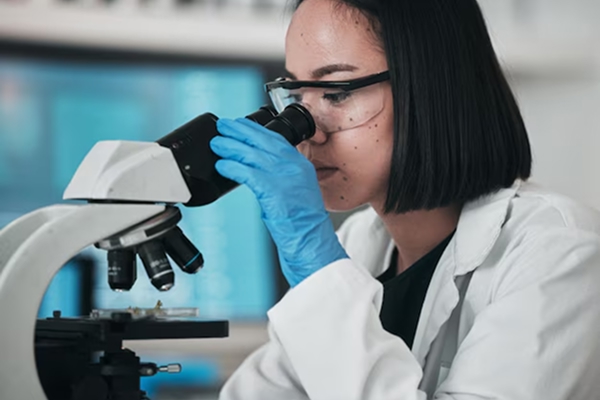
A biopsy is a medical procedure in which a sample of tissue is removed from the body for microscopic examination. A pathologist, a doctor specializing in diagnosing diseases by studying cells and tissues, analyzes this sample to determine whether cancer cells are present.
While imaging tests like CT scans, MRIs, and PET scans can suggest cancer's presence, only a biopsy provides a definitive diagnosis. Imaging tools show abnormalities but cannot distinguish between cancer and other conditions like infections or benign tumors with absolute certainty.
Several biopsy techniques exist. The choice depends on the tissue location, suspected cancer type, and the patient's overall health. Some examples of different biopsy types include:
Biopsies are essential cancer diagnostic tools. They confirm whether cancer is present, eliminating uncertainty that imaging alone cannot resolve. They identify the specific cancer type, which is essential because different cancers require different treatments. The tissue sample can also help doctors predict disease behavior and plan treatment accordingly. Modern biopsies also allow for molecular and genetic testing to identify specific mutations or protein markers that may respond to targeted therapies, enabling personalized treatment plans that are more effective and potentially less toxic.
Biopsies are generally safe, but like any medical procedure, there are some risks. The most common side effect is minor bleeding at the biopsy site, along with possible bruising, swelling, or tenderness for a few days. Infection is a potential risk with any procedure that breaks the skin, though it's relatively rare with proper sterile techniques.
Medical research has extensively studied whether biopsies could spread cancer cells. The consensus is that the risk is extremely minimal and far outweighed by the critical need for accurate diagnosis. Modern biopsy techniques minimize any theoretical risk.
Patients should discuss concerns with their healthcare team, including medications, allergies, or other health conditions. Most biopsies are same-day outpatient procedures.
Ovarian cancer often produces vague symptoms until reaching advanced stages. Because the ovaries are located deep in the pelvis, obtaining tissue can be challenging. In many cases, a definitive biopsy occurs during surgery through diagnostic laparoscopy or laparotomy.
There are specific types of ovarian cancer cells, and a biopsy determines whether the cancer cells are epithelial, germ, or stromal. Each type requires different treatment approaches. Molecular testing can reveal genetic information like BRCA mutations, which may indicate responsiveness to targeted therapies, such as PARP inhibitors.
Mesothelioma is a rare, aggressive cancer that develops in the tissue lining internal organs, most commonly the lungs. It's strongly associated with asbestos exposure, often decades before symptoms appear.
Diagnosing mesothelioma is challenging because symptoms mimic other conditions. While doctors may first perform thoracentesis to analyze lung fluid, this alone often cannot definitively diagnose mesothelioma. More invasive procedures like thoracoscopy or surgical biopsy may be necessary. The biopsy distinguishes mesothelioma from lung cancer and determines the cell type, which significantly affects prognosis and treatment options.
Non-Hodgkin lymphoma (NHL) comprises a diverse group of blood cancers developing in the lymphatic system. With more than 70 different subtypes, accurate biopsy and diagnosis are absolutely critical.
The standard biopsy for an NHL diagnosis is an excisional or incisional lymph node biopsy, providing pathologists with enough tissue to examine lymph node architecture, which is essential for accurate subtyping. Fine needle aspiration alone is generally insufficient because it doesn't preserve this architectural information.
The biopsy tissue undergoes extensive testing, including microscopic examination, immunohistochemistry, flow cytometry, and genetic studies. This detailed classification determines cancer aggressiveness, whether immediate treatment is needed, and which targeted therapies may be effective.

If you or a loved one has been diagnosed with ovarian cancer, mesothelioma, or non-Hodgkin lymphoma, understanding your medical condition is only part of the picture. For cancers like mesothelioma, which is often caused by asbestos exposure, or other cancers potentially linked to environmental or occupational hazards, you may have legal rights to pursue compensation.

Some cancer-causing exposures take decades to cause illness. Learn about cancer latency and how it affects diagnosis.

Learn how meningiomas are diagnosed, what grades mean, and what to expect next, including tests, treatment options, and sources of support.
Learn how biomarkers aid in early cancer detection. Explore benefits, limitations, and examples used in ovarian cancer, mesothelioma, and lymphoma screening.
© 2026, Injury Info. All rights reserved.