
If a doctor has ever asked about your job history, where you've lived, or chemicals you may have worked around, you've probably experienced part of what’s called a toxic exposure history. It is a component of certain medical evaluations that helps physicians understand whether environmental or occupational factors may be contributing to a patient's symptoms. The science here is nuanced, and the data is rarely simple. Keep reading to understand what this process involves, why it matters, and where its limitations lie.
Published on:
October 12, 2026
Category:
Health Resources

Taking a thorough toxic exposure history is a recognized clinical skill. It’s one that allows physicians to detect, treat, and, in some cases, address disease linked to environmental and occupational exposures. Many exposure-related conditions manifest as nonspecific symptoms such as headache, fatigue, difficulty concentrating, and respiratory irritation. Because of this, they can easily be attributed to other causes unless a clinician specifically explores the exposure angle.
The process typically involves a structured questionnaire across three domains: a general exposure survey, a detailed work history, and an environmental history. Together, these help a clinician identify whether a patient's symptoms have any temporal relationship with a specific workplace, home environment, or substance. Clinicians are trained to look for telling patterns, such as whether symptoms worsen at work and improve on weekends, or emerge after moving or starting a new job.
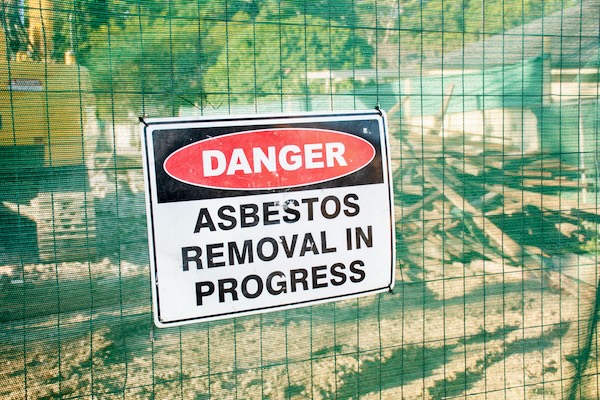
Toxic exposure history in medical evaluations covers a wide range of potential sources. Occupational exposures, which are among the most commonly documented, may include contact with industrial solvents, heavy metals, pesticides, asbestos, benzene, and airborne particulates in manufacturing, mining, construction, and agriculture. Environmental exposures may include proximity to hazardous waste sites, contaminated drinking water, indoor air pollutants such as radon or carbon monoxide, and ambient outdoor pollution.
Clinicians may also ask about consumer product use, hobbies involving chemical exposure, such as painting or auto repair, and past residential locations. Organ systems throughout the body can be affected differently depending on the nature of the toxic exposure, making the breadth of inquiry essential in medical evaluations where exposure is a factor.
Timing is one of the most clinically important dimensions of a toxic exposure history. Some substances produce rapid, acute effects. For example, carbon monoxide poisoning causes symptoms within minutes to hours. Others involve long latency periods between exposure and detectable health effects, as is well-documented with occupational carcinogens such as asbestos.
Research in occupational and environmental epidemiology has found that the age at which exposure begins and cumulative intensity over time are both significant variables. A brief high-intensity exposure and a prolonged lower-level one can carry different implications. Duration, frequency, and a substance's biological properties all factor into how a clinician interprets the exposure timeline.
A documented toxic exposure history is not a standalone diagnostic tool. It is one component of a broader clinical assessment that includes physical examination, laboratory testing, and imaging. In practice, it helps clinicians narrow their differential diagnosis and identify whether further investigation or specialist referral is warranted.
In population health research, exposure histories aggregated across patients contribute to a broader understanding of how environmental and occupational factors affect health over time. Biomonitoring (measuring chemicals or their metabolites in blood, urine, or tissue) is increasingly used alongside self-reported histories to provide objective biological corroboration. This combined approach produces more complete exposure-health pictures than self-report alone.
Despite the value of a thorough exposure history, clinicians and researchers consistently acknowledge its limitations. Recall bias is one of the most significant. After a toxic exposure, patients' recollections of their symptoms and exposures can change substantially over even short amounts of time, with later accounts differing in meaningful and nonrandom ways from initial reports. This is not a reflection of dishonesty; it is a feature of how human memory works under conditions of stress and uncertainty.
Occupational epidemiologists also note that self-reported exposure data is difficult to standardize, and patients are frequently unaware of the specific substances they worked with or lived near. Systemic challenges compound this: regulatory agencies have struggled to keep pace with the volume of chemicals in commercial use, and exposure data for many substances remain incomplete. These gaps do not invalidate the exposure history as a clinical tool, but they underscore why it must be interpreted within a larger clinical picture.
Toxic exposure questions don't always come with straightforward answers, and that uncertainty can be frustrating when you're trying to understand your own health history. If you choose, you may visit InjuryInfo.com to explore general educational resources. Injury Info provides information only and does not offer medical advice. You may share information for preliminary review by a member of our legal team. Consultations are free and carry no obligation. Contacting us does not create an attorney–client relationship. No outcome is guaranteed, and any matter requires case-by-case evaluation by licensed counsel or co-counsel

Experiencing unexplained vision problems? Learn the signs of meningioma brain tumors and when persistent symptoms require medical attention.
Occupational asbestos exposure differs from environmental and take-home exposure. Learn why researchers evaluate these pathways separately.

The asbestos latency period can last decades. Learn how researchers use employment records, air monitoring data, and exposure databases to reconstruct the past.
© 2026, Injury Info. All rights reserved.