
Scientific research on talc and its potential health effects has evolved over the past several decades. Early investigations laid important groundwork, but advances in study design, analytical tools, and exposure classification have continued to reshape how researchers interpret the data.
Published on:
October 12, 2026
Category:
Health Resources

The earliest research on talc and health was largely driven by occupational concerns. Scientists studying miners, millers, and industrial workers who encountered talc dust regularly sought to understand whether repeated inhalation exposure was associated with respiratory conditions. These foundational studies were important, but they were also limited by the tools and methods available at the time.
Early investigations often relied on general category classifications, grouping workers broadly as "exposed" or "unexposed" without accounting for the type of talc, particle size, or the presence of other minerals such as asbestos, which can occur naturally near talc deposits. These blunt classifications made it difficult to isolate talc's specific contribution to any observed health patterns. Studying consumer talc use presented its own complications, particularly the challenge of asking people to accurately recall years of routine personal care habits.
One of the most significant drivers of change in talc research has been the improvement in how exposure is detected and quantified. Analytical techniques have become far more sophisticated, allowing researchers to identify talc particles in biological tissue with greater precision. Electron microscopy and energy-dispersive X-ray spectroscopy have enabled scientists to characterize mineral fibers at the microscopic level in ways that older laboratory methods could not. Modern epidemiological tools are also better equipped to account for confounding variables and stratify populations by relevant characteristics such as age, hormone use, and family history. This allows researchers to ask more precise questions than earlier studies permitted.
No single study in any area of science is treated as definitive on its own. This is also true for talc research literature. The process of peer review requires research to be evaluated by independent scientists before publication, and replication across independent research teams is considered essential before findings gain broad acceptance. A weight-of-evidence approach is necessary for drawing meaningful safety conclusions, and the full body of evidence must be evaluated holistically rather than study by study.
For talc specifically, case-control studies, cohort studies, and meta-analyses have all contributed layers of evidence over time. When individual studies have produced conflicting results, peer review and replication have helped the research community understand whether discrepancies stem from methodology, population differences, or genuine uncertainty.
It can be surprising when new research appears to contradict older studies. But this is a predictable feature of how science progresses. As sample sizes grow, follow-up periods lengthen, and researchers gain access to more detailed records, findings naturally become more refined.
In talc research, updated data have led scientists to revisit earlier exposure classifications and reconsider how populations were grouped in prior analyses. Recent scholarship has examined how evolving regulatory standards, differences in data access, and changing scientific frameworks may have influenced how talc and asbestos data were interpreted in earlier periods. Recognizing this dynamic is part of how the research community has worked toward a more accurate and transparent evidence base.
Scientific consensus is earned slowly, through decades of independent research, evolving methods, and repeated testing across different populations. When talc studies produce inconsistent results, that's not a reason to dismiss the science, it's a reflection of where an honest, still-developing body of evidence actually stands.
For talc lawsuits, this evolving consensus is directly relevant. Courts often depend on expert witnesses who can explain not just what current science says, but how it arrived at those conclusions (including the significant role potentially played by corporate malfeasance) and what remains genuinely uncertain.
The science behind talc exposure and its potential health effects has developed over decades, and it continues to evolve as researchers apply better tools, larger datasets, and more rigorous methods to longstanding questions. For individuals trying to make sense of how this research connects to ongoing talc lawsuits, access to clear and reliable educational information is essential.
If you choose, you may visit InjuryInfo.com to explore general educational resources. Injury Info provides information only and does not offer medical advice. You may share information for preliminary legal review. Legal consultations are free and carry no obligation. Contacting us does not create an attorney–client relationship. No outcome is guaranteed, and any matter requires case-by-case evaluation by licensed counsel or co-counsel.

Rare diseases affect millions and diagnosis may take years. Learn why rare disease identification can be complex and what evaluation may involve.

Learn how brain tumors, including meningiomas, may disrupt balance and coordination and impact daily movement.
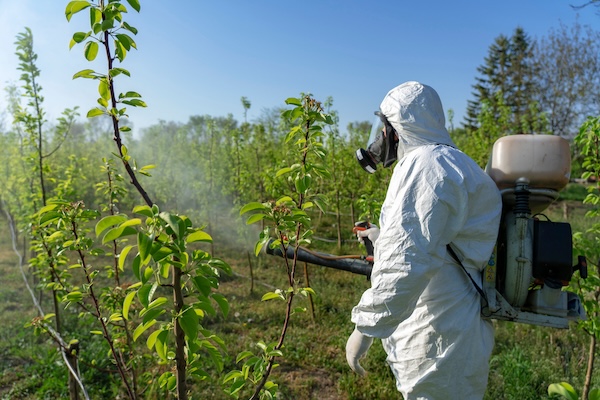
Learn how paraquat exposure is recorded in workplace records, why gaps exist, and how monitoring practices affect long-term data reliability.
© 2026, Injury Info. All rights reserved.