
Receiving a diagnosis of mesothelioma, ovarian cancer, or non-Hodgkin lymphoma is overwhelming. Beyond immediate medical concerns, some patients also discover their illness may have legal dimensions. Fortunately, there are resources available to help patients and their families understand how serious health conditions intersect with legal rights, providing clear information during an already challenging time.
Published on:
May 19, 2026
Category:
Health Resources

Not every illness involves legal questions, but certain diagnoses may warrant further review because they may be linked to preventable exposures or product safety failures. The connection may become legally relevant when evidence suggests companies may have been aware of potential risks but did not adequately warn or protect people.
In some situations, individuals have pursued legal claims alleging that companies did not take appropriate steps to reduce known risks or provide sufficient warnings. Understanding potential legal implications may also help patients and families explore available options, including how to plan for financial considerations while focusing on treatment.
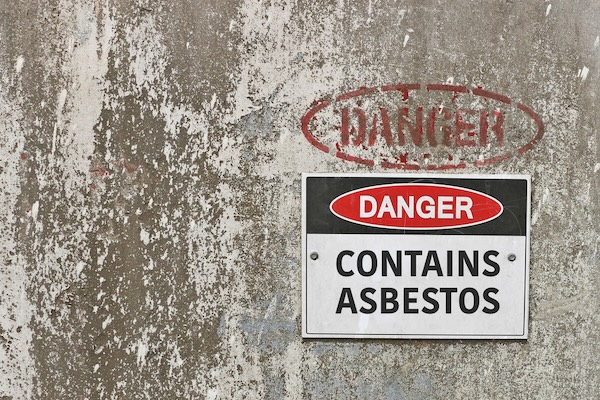
Mesothelioma provides an example of toxic exposure with legal implications. This aggressive cancer affecting the lung or abdominal lining is often associated with asbestos exposure. Because asbestos was widespread in construction, shipbuilding, manufacturing, and other industries throughout the 20th century, many patients were unknowingly exposed decades before diagnosis.
Legal implications may arise in cases where it is alleged that companies knew about asbestos risks but did not take adequate protective measures. Some claims have also involved secondary exposure, such as family members who handled contaminated work clothing.
Some cancer diagnoses have been associated with certain consumer products under investigation. For example, some lawsuits have alleged that talc-based products may have been contaminated with asbestos, potentially contributing to certain cancers. Similarly, research has examined whether glyphosate-based herbicides may be associated with non-Hodgkin lymphoma.
These situations may become the subject of legal claims when it is alleged that manufacturers knew or should have known about potential risks but did not provide adequate warnings.
Beyond specific substances, broader workplace safety conditions may also be reviewed. If multiple workers from one facility develop similar illnesses, this pattern may raise questions about safety practices or environmental conditions. Industries such as construction, mining, chemical manufacturing, and shipbuilding have historically involved higher potential exposure risks.
Legal matters in these situations typically focus on whether employers met applicable safety standards and fulfilled their duty to provide a reasonably safe work environment, and whether appropriate warnings were provided.
Personal injury claims may be brought against parties alleged to have contributed to harm through negligence. In exposure-related cancer cases, these claims typically allege that manufacturers, employers, or property owners failed to warn about dangers or protect people from harmful exposures. These claims generally require demonstrating exposure, medical diagnosis, and alleged negligence, and are evaluated on a case-by-case basis.
Some companies whose products contained asbestos have established bankruptcy trusts specifically to compensate victims. These trusts were created to resolve certain claims and provide compensation to qualifying individuals. Eligibility and timing may vary, and claims are reviewed individually based on specific criteria.
Employees who developed an illness that may be related to workplace exposure may be eligible for workers' compensation benefits, which can include medical coverage and wage support. While workers' comp typically prevents suing employers directly, it may still be possible to pursue claims against third parties like equipment manufacturers or contractors.
When many people are affected by the same product or exposure, claims may proceed through mass tort litigation. This process allows individuals to pursue their own claims while certain aspects of the case are handled collectively.
These matters require multiple types of expertise working together. Medical experts explain diagnoses and offer opinions about causation. For mesothelioma, this involves pulmonologists, oncologists, and pathologists who can distinguish it from other cancers and explain typical causes.
Occupational and industrial hygiene experts reconstruct workplace conditions from decades past, determining what materials were present and what exposure levels workers likely experienced. They review old safety records, building specifications, and industry practices to establish exposure history.
Toxicology and epidemiology experts explain scientific links between exposures and disease, interpreting research studies and explaining industry terms, such as “dose-response relationships,” i.e., how much exposure creates how much risk.
Legal professionals may coordinate this information to evaluate whether a claim meets preliminary criteria and, where appropriate, connect individuals with collaborating counsel.

If you or a loved one faces a diagnosis that may be linked to toxic exposure or product-related concerns, understanding your legal options provides important information for making informed decisions. If you have questions about a serious illness, you may choose to share a few details to explore your options.

Rare diseases affect millions and diagnosis may take years. Learn why rare disease identification can be complex and what evaluation may involve.
Learn the main mesothelioma risk factors, including asbestos exposure, genetic traits, and environmental influences, and why understanding them matters.

Learn how talc became a staple in personal care products, what it’s used for, and how safety concerns have shaped modern regulations and consumer awareness.
© 2026, Injury Info. All rights reserved.