
For millions of people managing diabetes, continuous glucose monitoring devices are a critical part of daily care, providing real-time blood sugar data that directly informs decisions about insulin, diet, and activity. When that data is inaccurate, the consequences may be serious. Incorrect low glucose readings over an extended period may lead to wrong treatment decisions, such as excessive carbohydrate intake or skipping or delaying insulin doses. These decisions may pose serious health risks, including potential injury or death. Recent recall events have brought these risks into sharp focus for patients, caregivers, and clinicians alike.
Published on:
October 12, 2026
Category:
Health Resources
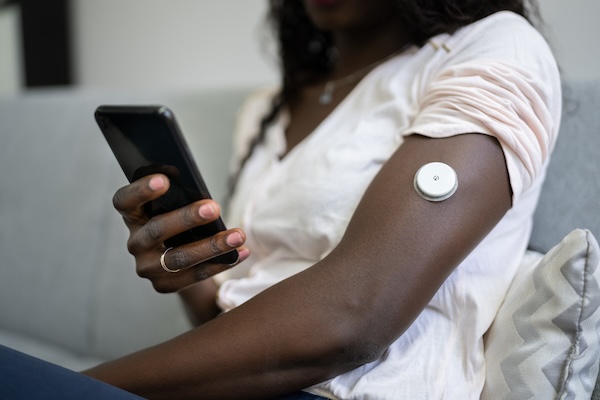
Maintaining stable blood glucose levels is central to diabetes management. Both hyperglycemia and hypoglycemia can lead to serious complications if not addressed promptly, and in people using insulin or other glucose-lowering medications, the margin for error is narrow.
Continuous glucose monitoring (CGM) devices are designed to provide continuous feedback so users can respond quickly to changes in blood sugar, which may help reduce the risk of dangerous highs and lows. Integrated CGM (iCGM) systems cleared by the FDA and supported by published performance data are established tools that can directly inform decision-making in diabetes treatment, including insulin dosing.
Because these devices are used to make active treatment decisions rather than simply observe trends, their accuracy is a patient safety issue, not merely a technical one. Even a small inaccuracy at a critical moment can lead to incorrect dosing, delayed intervention, or a missed alert.
Unlike traditional fingerstick tests, CGM devices measure glucose levels in interstitial fluid, the fluid surrounding cells just beneath the skin, rather than directly in the bloodstream. A small sensor inserted under the skin continuously monitors glucose and transmits data to a receiver or a smartphone app.
Because CGMs measure interstitial fluid rather than blood, slight physiological delays can occur between actual blood glucose changes and sensor readings. Most FDA-cleared devices are designed to minimize these gaps, but accuracy still depends on proper sensor function, correct placement, and device integrity. When any of these factors are compromised, the reliability of readings and alerts may be affected.
In late 2025, one of the most significant CGM recalls in recent history brought renewed attention to device accuracy. Abbott Diabetes Care warned that about 3 million FreeStyle Libre 3 and FreeStyle Libre 3 Plus sensors were affected by a manufacturing issue that may cause some sensors to display incorrect low glucose readings. Abbott reported 736 adverse events potentially linked to the issue, including seven deaths, none of which were in the United States.
The FDA classified this as a Class I recall, the agency's most serious designation for medical device issues. Abbott confirmed the problem originated from a single production line and instructed affected customers to verify their devices and request free replacements at FreeStyleCheck.com. Separately, Dexcom recalled hundreds of thousands of receivers in 2025 following dozens of injuries attributed to audio issues that may result in missed alerts.
When a CGM device provides inaccurate readings, the effects may range from inconvenience to life-threatening risk.
A device reporting falsely low glucose levels may prompt unnecessary carbohydrate consumption or trigger a treatment response that drives blood sugar dangerously low. A missed alert or falsely normal reading may delay a response to actual hypoglycemia entirely.
Patient accounts connected to the Abbott recall illustrate these potential risks directly. Some diabetes patients say that discovering flaws in a device they rely on to stay alive is terrifying. One patient visited the emergency room multiple times after low blood sugar alerts from her Libre 3, only to have a fingerstick test at the hospital show her glucose levels were normal. These experiences underscore why device reliability is inseparable from patient safety in CGM use.
For individuals who have experienced issues with a CGM device, keeping detailed records is an important step. Tracking symptoms alongside device readings, noting discrepancies, and recording instances where alerts failed to activate may help identify patterns and support informed conversations with a healthcare provider. Saving device data logs, where available, may also provide useful documentation of performance over time.
The FDA maintains an active recall database and adverse event reporting system where patients and providers can check device status and report problems. Anyone using an affected device should follow the manufacturer's instructions for discontinuing use and obtaining a replacement, and should consult their care team about interim monitoring strategies.
For individuals affected by potential recall issues with glucose monitors, learning about the next steps can feel overwhelming. To learn more, explore Injury Info resources on medical devices, including continuous glucose monitors.

Learn how brain tumors, including meningiomas, may disrupt balance and coordination and impact daily movement.

A late cancer diagnosis is more common than people realize. Get a plain-language breakdown of the systemic causes and what patients can do next.

Learn why diagnoses like mesothelioma, ovarian cancer, and non-Hodgkin lymphoma can involve legal considerations related to exposure and product safety.
© 2026, Injury Info. All rights reserved.