
Most people diagnosed with mesothelioma or asbestos-related lung cancer are decades removed from the exposure that caused it. Often, that exposure happened in a factory, a shipyard, or a building they worked in before such risks were even publicly acknowledged. The decades-long gap between cause and consequence is why the field of asbestos research has placed extraordinary emphasis on one concept: latency. Learning how and why diseases develop so slowly after asbestos exposure is key to understanding how research is conducted, and how long-term health effects are studied over time.
Published on:
June 8, 2026
Category:
Health Resources
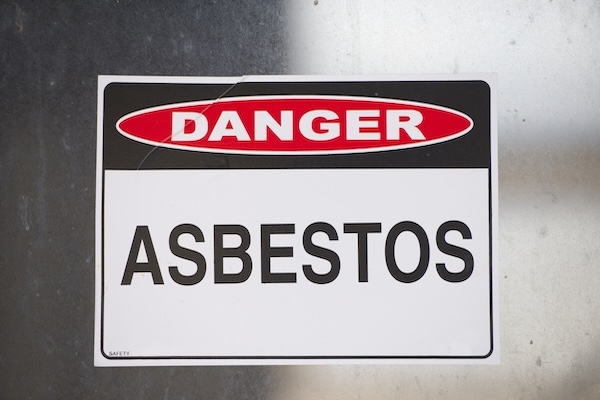
When doctors and researchers talk about latency, they're referring to the gap between when someone was first exposed to a harmful substance and when they're eventually diagnosed with a disease. For most workplace hazards, that window is relatively short. For asbestos, it can stretch across the better part of a lifetime.
In asbestos research, latency is typically measured from the date of a person's first documented contact with asbestos to the moment a diagnosis such as mesothelioma or asbestos-related lung cancer is confirmed. This isn't just an academic detail. Without a solid grasp of latency, researchers may have difficulty tracing disease patterns, estimating future case trends, or evaluating the effectiveness of safety regulations.
The short answer: a very long time. Most studies put the typical window somewhere between 20 and 60 years from first exposure to diagnosis. One large study examined people with asbestos-related diseases and found that the average latency was about 34 years for mesothelioma and 40 years for asbestos-related lung cancer. Those figures line up closely with another major study of asbestos workers, which reported a median mesothelioma latency of around 32 years, with individual cases ranging anywhere from 13 to 70 years.
Most mesothelioma cases have a latency period of at least 20 years. That means the vast majority of people won't receive a diagnosis until long after they've changed jobs, retired, or lost access to the employment records that could document their exposure.
When asbestos fibers are inhaled or swallowed, they lodge in the delicate tissue lining the lungs, abdomen, and other organs. The body's immune system recognizes them as foreign and tries to break them down, but is often unable to fully break them down. Asbestos fibers can persist in the body for long periods of time. The result is a slow, chronic inflammation that quietly damages DNA and promotes abnormal cell growth over many years.
Several factors influence how fast this process unfolds. The younger a person was at the time of first exposure, the longer their latency period tends to be, roughly one additional year of latency for every year younger they were when first exposed. Some research suggests that age at exposure may influence how the disease develops over time.
The type of asbestos also matters. Workers exposed to crocidolite (blue asbestos) and amosite in manufacturing settings developed disease faster than those exposed to chrysotile (white asbestos) in mining environments. Some studies indicate that different asbestos types may be associated with varying levels of risk and disease progression.
A disease that takes 30 to 40 years to develop creates obvious challenges for scientists.
Prospective studies, where researchers follow a group of exposed workers and wait for outcomes, have to run for decades. That's expensive, logistically complex, and hard to sustain as participants age, move, or die of unrelated causes.
Retrospective studies, which reconstruct exposure histories from records and interviews, bring their own problems, mainly that memories fade and old workplace records are often incomplete or lost. Cross-referencing patient-reported histories with government records and historical workplace data can significantly improve the reliability of latency estimates.
Even setting aside the difficulties of study design, tracking asbestos exposure over time is harder than it sounds. During the peak decades of asbestos use, roughly the 1950s through the 1980s, detailed air quality and fiber measurements were rarely collected in workplaces. That means researchers often have to estimate how much asbestos a person was exposed to rather than measure it directly, making it harder to understand precisely how dose and duration relate to disease risk.
There's also a shift happening in who is getting sick and how. In one study, half of all lung cancer patients in the cohort had environmental rather than occupational exposures. These people were exposed through contaminated areas near asbestos mines or industrial facilities, or exposure by living with asbestos workers, not through direct work with the material. Environmental exposures tend to be lower in intensity but longer in duration, which can stretch the latency period even further and makes it harder to establish a clear relationship between exposure and disease in research settings.
Finally, genetics is starting to complicate the picture. Emerging research has identified mutations in the BAP1 tumor suppressor gene as a possible factor in why some people develop asbestos-related disease faster than others, meaning that individual biology, not just exposure history, may shape how quickly the disease progresses.
InjuryInfo.com provides general educational resources on asbestos exposure and related health conditions.

Learn why talc research findings have evolved, how scientific consensus develops, and what changing results mean for those following talc lawsuits.

A medical second opinion may refine your diagnosis or treatment plan. Learn when to consider one, how to request it, and what the process may involve.

The GBD study tracks illness, injury, and premature death worldwide. Learn what it measures, how estimates are built, and what the data can and cannot tell us.
© 2026, Injury Info. All rights reserved.