
For most of the 20th century, asbestos exposure was primarily understood as a workplace issue, affecting miners, shipyard workers, insulation installers, and factory employees who spent their working hours in direct contact with the mineral. That understanding has expanded considerably. Researchers now recognize multiple distinct exposure pathways, each with its own intensity profile, population, and evidentiary record. It shapes how epidemiologists design studies, how exposure is measured, and how findings are interpreted and compared across different populations.
Published on:
June 8, 2026
Category:
Health Resources
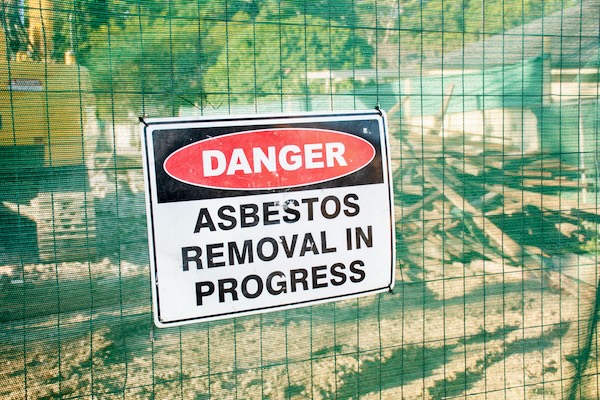
Occupational asbestos exposure refers to direct, work-related contact with asbestos fibers as a function of employment. Industries and trades historically associated with the heaviest occupational exposures are shipbuilding and ship repair, asbestos mining and milling, asbestos product manufacturing, construction trades involving insulation installation or removal, demolition, and building maintenance. These settings were characterized by sustained, high-concentration fiber release, often in enclosed or poorly ventilated spaces, and without protective equipment prior to modern regulatory requirements.
Across industrialized countries, occupational records have been documented through air monitoring data, employment histories, industrial hygiene surveys, and retrospective exposure assessments, which allow researchers to reconstruct cumulative fiber-year doses for workers in specific trades and facilities.
Environmental exposure to asbestos occurs through pathways outside the formal workplace. Researchers recognize several distinct categories. Para-occupational or "take-home" exposure occurs when workers carry asbestos fibers from the job site into their vehicles and homes on clothing, hair, skin, and shoes, indirectly exposing household members through daily contact, laundering, and settled dust.
Community or neighborhood exposure is a second pathway, documented in populations living near asbestos mines, mills, or manufacturing plants where airborne fiber concentrations in surrounding areas have been measurably elevated. Naturally occurring asbestos (NOA) in rocks and soils represents a third category, distinct from commercially mined asbestos and typically associated with lower ambient concentrations, though NOA exposure has been studied in relation to mesothelioma incidence in specific communities. Finally, asbestos-containing building materials in older homes, schools, and public buildings can release fibers when disturbed during renovation, deterioration, or improper maintenance.
One of the most consistently documented distinctions between occupational and non-occupational asbestos exposure is the magnitude of fiber concentration involved. Occupational settings, particularly in high-exposure trades during the mid-20th century, generated airborne asbestos concentrations that could reach tens or even hundreds of fibers per cubic centimeter during peak activities. Environmental and para-occupational exposures are generally measured in fractions of a fiber per cubic centimeter under most documented conditions.
Simulation studies of take-home exposure have estimated that the fiber concentrations encountered by household members during handling of contaminated clothing represent roughly 1% of the concentrations experienced by the worker at the source occupation. This intensity difference is important for dose-response analyses and epidemiological study design.
Lower levels of exposure may still be evaluated in research when considering long-term health outcomes. Lung tissue asbestos fiber burden in para-occupationally exposed women with mesothelioma in one study was comparable in range to the burden observed in men with moderate occupational exposure, suggesting that the relationship between dose and disease may vary and is an area of ongoing research.
In epidemiological studies, distinguishing occupational from environmental asbestos exposure requires careful data collection at the individual level. Structured questionnaires administered at enrollment or diagnosis ask participants about their own employment history, the occupations of family members they lived with, the location and age of residences, and proximity to known industrial asbestos sources. This information is cross-referenced against known facility records, industry classifications, and historical air monitoring data to assign exposure categories.
The South Korean national asbestos surveillance system analyzed patients with malignant mesothelioma and asbestos-related lung cancer and explicitly separated occupational from environmental exposure in its registry design. Environmental exposures were observed to have longer mean latency periods in that dataset than occupational exposures. This difference in latency by pathway type is one of the clearest illustrations of why exposure classification matters.
Despite methodological advances, comparing occupational and environmental exposure data across studies remains difficult. Occupational studies benefit from relatively well-documented exposure records such as air monitoring logs, employment rosters, and industrial hygiene surveys that allow for quantitative cumulative dose estimates. Environmental and para-occupational studies typically rely on proxy measures: proximity to a source facility, duration of residence, or reported household contact with a worker, none of which translate directly into fiber-per-cubic-centimeter estimates with high precision.

Whether potential exposure occurred in the workplace, through a family member's occupation, or simply by living near an industrial site, understanding how researchers evaluate and distinguish these pathways is an important starting point. InjuryInfo.com offers general educational resources on occupational asbestos exposure, environmental pathways, and related health conditions.

Learn how health agencies evaluate talc powder, what their classifications actually communicate, and why these findings matter in talc powder lawsuits.
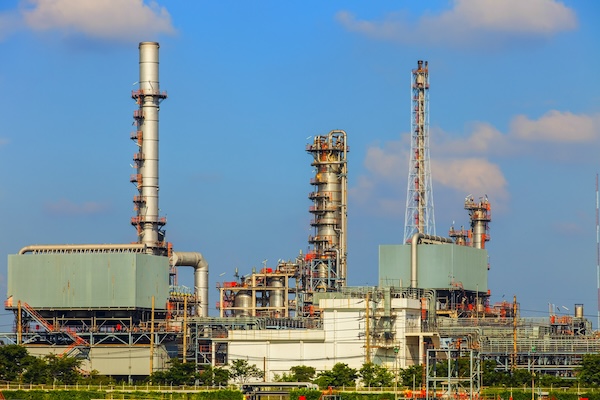
The asbestos latency period can last decades. Learn how researchers use employment records, air monitoring data, and exposure databases to reconstruct the past.

Learn why diagnoses like mesothelioma, ovarian cancer, and non-Hodgkin lymphoma can involve legal considerations related to exposure and product safety.
© 2026, Injury Info. All rights reserved.