
Living with a meningioma often means managing symptoms such as fatigue, memory difficulties, slower processing, and changes to daily routines. These challenges can appear during diagnosis, treatment, or recovery, and many people find that structured pacing, cognitive supports, and ongoing communication with their care team make everyday life easier. Below, we break down common post-diagnosis experiences and ways to navigate them.
Published on:
June 24, 2026
Category:
Health Resources
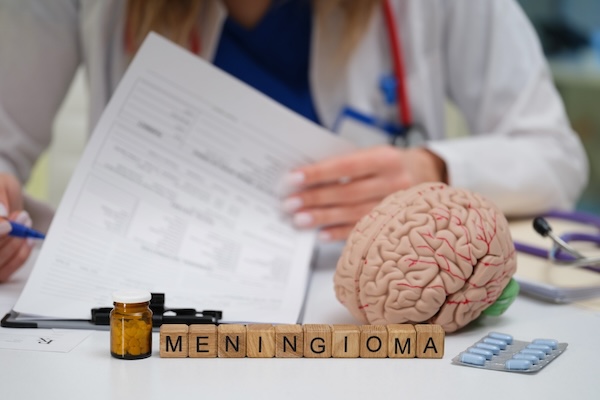
Adapting to life with meningioma often takes time. Some individuals discover their tumor by accident, while others have symptoms that gradually interfere with work, relationships, or routines. Recovery, adjustment, and follow-up care vary widely from person to person.
Patients in survivorship stories, like the Brain Tumor Foundation’s account of a nurse navigating her own diagnosis, describe the emotional adjustment as just as significant as the physical one.
While every experience is unique, many individuals benefit from understanding common post-diagnosis challenges and the steps that can be taken to address them.
Fatigue is one of the most frequently reported challenges after surgery, radiation, or long-term tumor management. Research published in the Journal of Neuro-Oncology notes that fatigue can persist for months or years and may stem from healing, inflammation, sleep disruption, or cognitive strain.
For some, fatigue feels like a lack of physical energy; for others, it appears as slowed thinking or difficulty sustaining attention. Recognizing fatigue as a genuine medical effect, and not a personal failing, can help individuals and families set realistic expectations.
Cognitive changes may occur because of the tumor’s location, the effects of treatment, or the brain’s natural healing process. People may experience:
These symptoms can fluctuate and may improve gradually. Cognitive rehabilitation, memory aids, and structured routines often help rebuild confidence and daily functioning.
Shorter, spaced-out activities reduce mental and physical strain.
Many people find morning energy is stronger; schedule demanding tasks earlier when possible.
External supports can reduce cognitive load and help reestablish daily structure.
Resting before exhaustion sets in can improve overall endurance.
Small adjustments like steady hydration and regular meals help stabilize energy levels.
Reducing noise and visual distractions can make concentration easier and less draining.
Certain symptoms deserve medical attention, especially if they worsen or interfere with everyday life. You should contact your clinician if you notice:
These changes do not necessarily indicate tumor growth, but they warrant evaluation so doctors can determine whether imaging, medication adjustments, or rehabilitation services are appropriate.
Emotional and practical support from trusted organizations can make everyday life more manageable:
At Injury Info, we also understand that some individuals diagnosed with meningioma have questions about possible contributing factors, including medications such as Depo-Provera. Research has shown an association between Depo-Provera and meningioma, and some patients want help understanding whether their history could be relevant to their diagnosis. If you have concerns about delays in diagnosis, missed symptoms, or potential contributing factors, you deserve clear and compassionate guidance.
We offer free, no-obligation claim evaluations to help you explore whether preventable issues or medical negligence may have played a role in your care. Our team is here to answer questions, provide clarity, and help you move forward with confidence.
Contact Injury Info today for a free claim evaluation.

Learn what comorbidities are and how doctors prioritize symptoms, assess risk, and adjust care plans when multiple conditions are present.

Medical guidelines and drug labels change as new evidence emerges. Learn the processes behind these updates and why change signals progress, not inconsistency.
Why do health studies focus on groups instead of people? Understand how population health research works, where it has limits, and what it means for you.
© 2026, Injury Info. All rights reserved.