
Toxic exposures don't always cause health consequences, but if they do, there are often no immediate symptoms. In many cases, the most serious health consequences develop slowly over months, years, or even decades. Understanding the connection between harmful substances and long-term illness is essential for protecting yourself and planning for your medical options.
Published on:
May 19, 2026
Category:
Health Resources
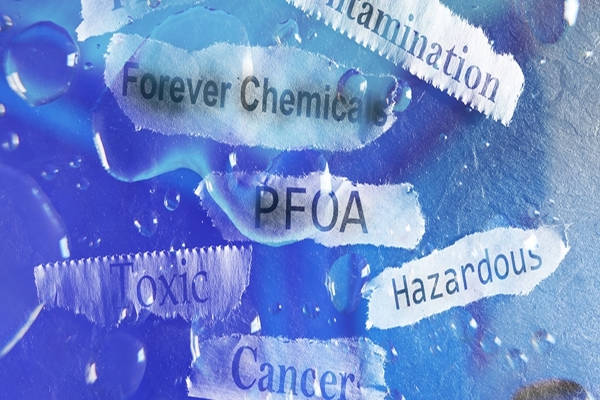
Toxic exposure occurs when you come into contact with harmful substances that can damage your body's cells, tissues, and organs. Examples of how these exposures can happen include breathing contaminated air, touching hazardous materials, swallowing contaminated food or water, or absorbing chemicals through your skin.
Common sources include workplace environments like construction sites and manufacturing plants, consumer products such as pesticides and personal care items, and environmental contamination from industrial sites or water supplies. The danger often lies in the fact that many toxic substances don't cause immediate noticeable effects, allowing exposure to continue without warning signs.
The human body has natural defenses against some harmful substances, but repeated or prolonged exposure can overwhelm these protective mechanisms. Toxic chemicals can accumulate in body tissues over time, causing gradual damage that eventually manifests as serious illness.
Some substances cause direct cellular damage, while others act as carcinogens, causing genetic mutations that can lead to cancer development years or decades after initial exposure. The latency period between exposure and disease onset makes it challenging to identify the source of illness, which is why awareness and documentation of potential exposures are so important.
Mesothelioma is a rare and aggressive cancer that develops in the protective lining surrounding the lungs, abdomen, or heart. This devastating disease is almost exclusively caused by asbestos exposure, often occurring decades after someone first encountered asbestos fibers.
Construction workers, shipyard workers, military veterans, and others who worked with materials containing asbestos face the highest risk.The latency period typically ranges from 20 to 50 years, meaning someone exposed in their twenties might not develop symptoms until their sixties or seventies. Early symptoms often resemble less serious conditions, making early detection difficult.
Talcum powder products contaminated with asbestos have been linked to ovarian cancer in women who used these products for feminine hygiene over many years. Additionally, exposure to certain pesticides and industrial chemicals has been associated with elevated ovarian cancer rates.
Women who experience unexplained pelvic pain, bloating, changes in bathroom habits, or feeling full quickly should consult their healthcare provider, especially if they have a history of exposure to potentially harmful substances.
Non-Hodgkin lymphoma encompasses a group of blood cancers that affect the lymphatic system. Several toxic substances have been linked to increased lymphoma risk, most notably the herbicide glyphosate, which is the active ingredient in Roundup and other widely used weed killers.
Farmers, landscapers, groundskeepers, and home gardeners who regularly use glyphosate-based products have developed non-Hodgkin lymphoma at higher rates than the general population. Symptoms can include swollen lymph nodes, unexplained fever, night sweats, fatigue, and unintended weight loss.

If you know you've been exposed to toxic substances, proactive health monitoring can make a significant difference in outcomes. Start by informing your healthcare provider about your exposure history, including specific substances, duration, and frequency of contact, and level of exposure.
Keep detailed records of your exposure circumstances, including dates, locations, products used, and any protective equipment provided. Save employment records, product labels, and safety data sheets. This information becomes invaluable if you develop health problems later.
Watch for warning signs, including persistent cough, unexplained shortness of breath, unusual fatigue, unexplained weight loss, lumps or swelling, and changes in bathroom habits. Don't dismiss symptoms simply because years have passed since your exposure.
If you are concerned about toxic exposure and serious health conditions, it can be helpful to gain more information. Explore general educational resources from Injury Info.

Why do health studies focus on groups instead of people? Understand how population health research works, where it has limits, and what it means for you.
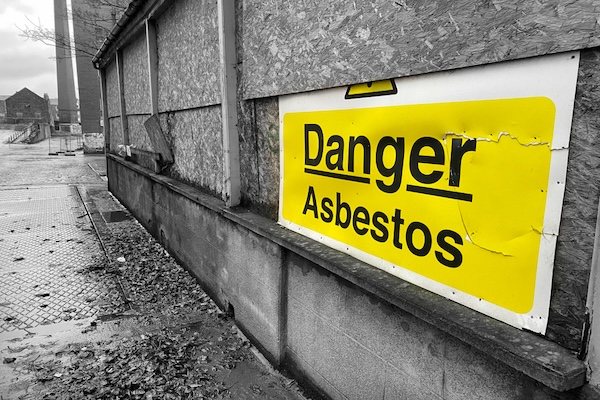
Asbestos fireproofing is present in many older buildings. Learn where it is, what activities disturb it, and what you should know to reduce exposure risk.

Learn the differences between acute, chronic, and serious health conditions. Review course development, timeline, and treatment needs for each type.
© 2026, Injury Info. All rights reserved.